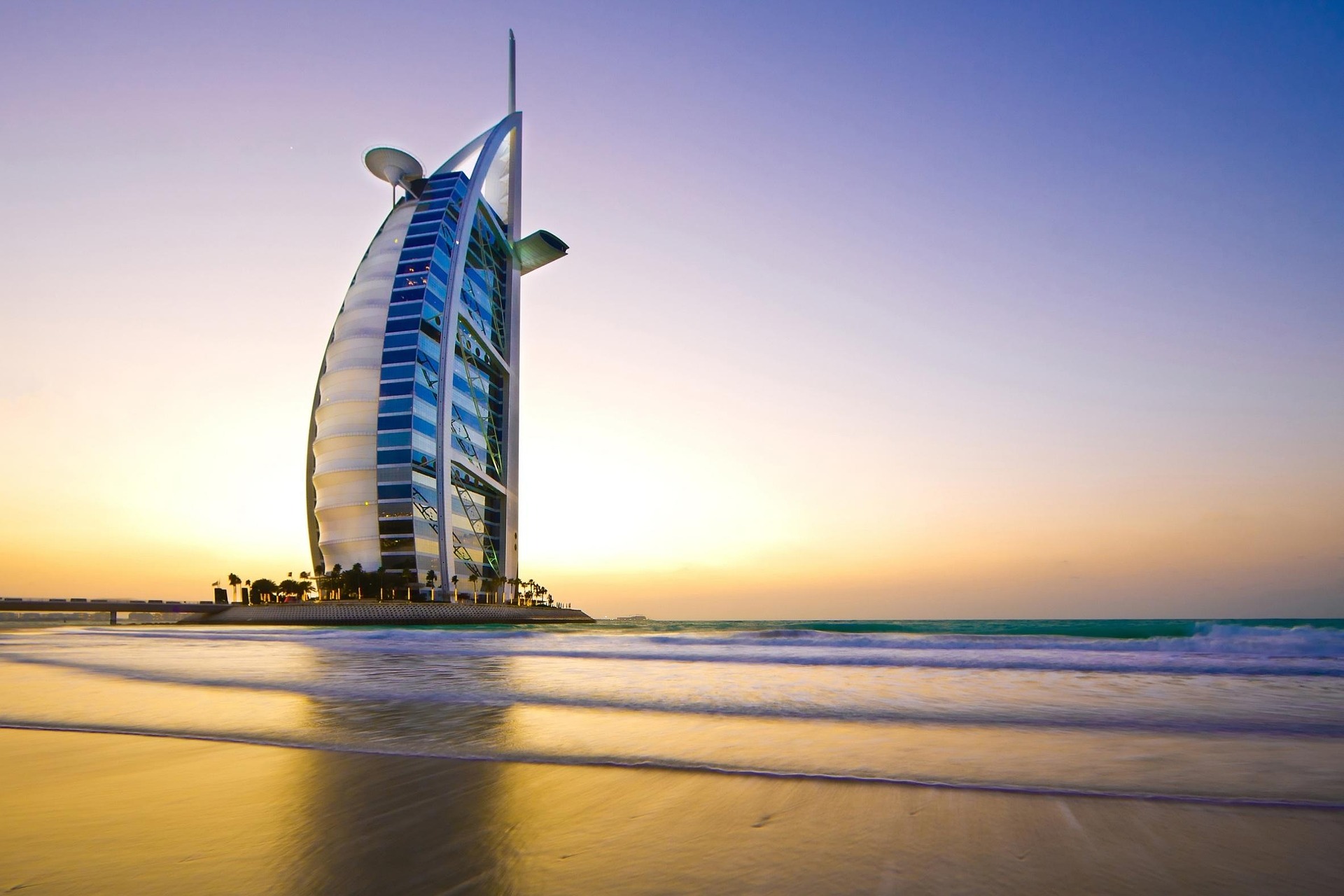
Half of your contact list has been to Dubai. You have seen the photos — the Burj Khalifa lit up at night, the gold souk dripping with jewellery, the malls that could comfortably fit Westgate, Garden City, and TRM combined, with space left over. You have heard the stories of the shopping, the desert safari, the cheap perfume, the food. And you have quietly wondered whether it is actually affordable or whether people are just showing you the highlight reel.
Here is the honest answer: Dubai is neither as expensive as the luxury hotels suggest, nor as cheap as budget travellers claim. It sits somewhere in the middle, and with the right information, a Kenyan traveller can have a genuinely brilliant 5-night trip without draining a life savings. The key is understanding the visa process, finding the right flights, and knowing where to spend and where to skip.
This guide gives you all of that — practical, current, and written for Kenyans who want real information, not a glossy brochure.
The Dubai Visa for Kenyans: What You Need to Know in 2026
Let’s start with the question that stops many Kenyans from even opening Google Flights: Do I need a visa? And is it difficult to get?
Yes, Kenyan passport holders require a visa to enter the UAE. There is no visa-on-arrival facility for Kenyan citizens, and airlines will deny boarding without a pre-approved visa. However, the entire process is 100% online. You do not need to visit an embassy or consulate. You apply digitally, receive your visa by email, and print it or show it on your phone at the airport.
Visa Types and Costs
The most practical option for a 5-night holiday is the 30-day visa at approximately KES 11,500–14,200 when applied directly through UAE immigration or an authorised online portal. If you prefer not to handle it yourself, Kenyan travel agents typically charge KES 20,000–25,000 to manage the application for you.
Documents Required
- Valid Kenyan passport — minimum 6 months validity beyond your travel dates
- Two recent passport-sized photographs on a white background
- Confirmed return flight booking — you need this to apply, so book a refundable ticket or do a dummy booking first
- Hotel reservation or confirmed accommodation details
- Bank statement for the last 3 months — should show a reasonable balance (aim for at least KES 150,000 visible in account history)
- Completed online visa application form
⚠️ Important: Visa Rejections Are Rising
Since mid-2024, UAE immigration has increased scrutiny on Kenyan passport applications following a pattern of overstays by some travellers. This means your bank statement and return ticket carry more weight than before. Apply at least 10–14 working days before your departure date. If rejected, fees are non-refundable. If you have previously had a UAE visa, mention it — a travel history helps. Consider applying through an established Kenyan travel agent if this is your first UAE trip.
Processing Time
Standard processing takes 3–5 working days. Express processing (usually at extra cost) can deliver approval within 24–48 hours. Apply at least 10–14 days before you fly to give yourself a buffer. Do not book non-refundable flights before your visa is approved.
Flights from Nairobi to Dubai: Your Airline Options and Real Prices
The Nairobi–Dubai route (NBO to DXB) is one of the best-served international corridors from Kenya. Direct flights take approximately 5 hours 10 minutes, and there are multiple daily departures across four main airlines. Here is a realistic look at what you are paying in 2026.
Emirates (EK) — The Full-Service Premium Choice
Emirates operates daily flights between JKIA and Dubai International Airport. It is widely regarded as one of the world’s best airlines — the ICE entertainment system, generous baggage allowance, and the quality of onboard service are genuinely superior to most alternatives. You pay for it.
Round-trip economy fares on Emirates currently range from approximately KES 65,000 to KES 95,000 depending on season and booking lead time. If you find a round-trip fare below KES 70,000, book immediately — it will not last.
💰 [AFFILIATE LINK OPPORTUNITY: Emirates flights — link to Emirates.com or a flight comparison affiliate (Skyscanner, Google Flights)]
flydubai (FZ) — The Smart Budget Option
flydubai is a UAE-based low-cost carrier and consistently offers the lowest fares on this route. Their direct flights from Nairobi run three times weekly. The airline publishes fares in KES on their own website — the cheapest round-trip fares start from KES 69,383, and one-way fares from KES 32,900, particularly in July. For a 5-night holiday where you want to keep costs down, flydubai is the airline to check first.
The trade-off: smaller seats, no free meal included (meals cost extra), and a more functional onboard experience. Over a 5-hour flight, this is manageable — bring your own snacks and a good playlist.
💰 [AFFILIATE LINK OPPORTUNITY: flydubai direct booking — link to flydubai.com or affiliate flight search]
Kenya Airways (KQ) — The Familiar Choice
Kenya Airways flies daily to Dubai from JKIA. Round-trip economy fares start around KES 82,810 based on current published fares, which positions it between Emirates and flydubai on cost. The advantage is familiarity — KQ’s check-in process, baggage policies, and customer service are known quantities for most Kenyans. Flying Blue miles also accumulate on KQ flights, useful if you travel frequently.
💰 [AFFILIATE LINK OPPORTUNITY: Kenya Airways flights — link to kenya-airways.com booking page]
Air Arabia — The Connector
Air Arabia flies from Nairobi to Sharjah (not Dubai directly), which is a 20–30 minute transfer from Dubai. Round-trip fares can be as low as KES 45,000–55,000, making it the cheapest option on this corridor. The catch is the Sharjah airport, which is smaller and further from Dubai’s main areas, and the extra ground transport time. Worth considering if price is the primary concern and you plan to base yourself in Deira or older Dubai.
When to Fly for the Best Fares
Booking Tip
The best strategy: book your flight 5–7 weeks in advance. Target Tuesday or Wednesday departures, which are consistently cheaper than weekend travel. Set a Google Flights price alert as soon as you have approximate dates — this alone can save you KES 10,000–20,000 on a round-trip fare.
Best Time to Visit Dubai from Kenya
Dubai’s weather is the most important factor in planning your trip, and it is dramatically different from Kenya’s. The city sits in the Arabian Desert and experiences extreme summer heat from June to September, where temperatures regularly exceed 40°C and can spike into the mid-40s. At those temperatures, outdoor activity is genuinely uncomfortable and sometimes unsafe.
The honest recommendation for most Kenyans: Travel in November, January, February, or March. These months give you the outdoor experience that makes Dubai worthwhile — desert safaris at sunrise, walking the Marina promenade in the evening, swimming at public beaches. The weather feels like a mild Kenyan highland day. Flights and hotels cost more, but the experience is worth it.
If budget is your absolute priority, the June to August summer window will give you the cheapest flights and hotel rates in the year — some 5-star hotels drop by 40–50%. You will be spending most of your time in air-conditioned malls, which, honestly, is part of what many Kenyans go to Dubai for anyway.
One date worth planning around: the Dubai Shopping Festival typically runs late November through January. If shopping is a core part of your Dubai plan, timing your trip for this festival gives you discounts, promotions, and events across the city’s malls.
5-Night Dubai Budget Breakdown in KES (2026)
Below are three realistic budget tiers for one person, including flights. These are honest planning estimates — actual costs depend on your season, airline, accommodation choice, and how much you shop and drink (alcohol is very expensive in Dubai — budget KES 3,000–5,000 per drink at a licensed bar if that matters to you).
Budget tier (KES 94,000–138,200): You are flying flydubai or Air Arabia, staying in a 2-star or budget hotel in the Deira or Bur Dubai area (rates from KES 2,500–4,000/night), eating from South Asian restaurants and food courts, using the Dubai Metro for all transport, and sticking to free and low-cost activities. This is a real, achievable Dubai trip.
Mid-range tier (KES 174,500–263,200): You are on flydubai or Kenya Airways, in a 3–4-star hotel in Dubai Marina or JBR (KES 9,000–16,000/night), eating at a mix of casual restaurants and one or two nicer dinners, taking taxis occasionally, and doing two or three paid activities like the Burj Khalifa or a desert safari.
Comfortable tier (KES 293,500+): Emirates flights, 4–5-star hotel, dining wherever you want, paid activities, and meaningful shopping. Dubai at this level is exceptional value compared to an equivalent experience in London or Paris.
The Shopping Budget Warning
Shopping is deliberately separated in the table above because it is completely personal — and because Dubai's malls are expertly designed to make you spend more than you planned. One study found tourists overspend their shopping budget by 40% at Dubai Mall and Mall of the Emirates. Set a firm KES shopping limit before you land and keep it visible on your phone. Leave your second card at the hotel.
What to Actually Do in Dubai: Free, Cheap, and Worth Paying For
Completely Free
- Dubai Fountain Show — The world’s largest choreographed fountain runs every 30 minutes from 6:00 PM outside Dubai Mall. Watching it from the bridge or lakeside walk is one of Dubai’s best experiences and costs absolutely nothing. Go twice — once when you arrive and once on your last night.
- The Dubai Creek Walk and Abra Ride — Walk along the Bur Dubai side of Dubai Creek, where wooden dhows still load cargo the way they did a century ago. Hop on an abra (traditional wooden boat) to cross the creek for just AED 1 (about KES 35). One of the cheapest and most memorable things you can do in the city.
- The Gold Souk — Even if you cannot afford to buy, the Gold Souk in Deira is a wonder to walk through. Hundreds of shops selling gold jewellery under bright lights, stall after stall. Browse, negotiate (expected and welcomed), and enjoy a slice of old Dubai.
- The Spice Souk — Right next to the Gold Souk, the Spice Souk is the most aromatic place in the city. Sacks of cardamom, saffron, rose petals, and frankincense. Pick up spices to bring home — prices are far lower than Nairobi supermarkets.
- Dubai Mall Visit — The entry is free. The Dubai Aquarium wall (viewing the sharks and rays from outside the tank) is free. The waterfall and indoor waterfall sculpture are free. Mall of the Emirates lets you watch the ski slope from Ski Dubai for free.
- JBR Beach — Jumeirah Beach Residence’s public beach is free to access, clean, and well-maintained. Swim, walk the 7km waterfront promenade, and watch the sunset over the Palm Jumeirah for zero dirhams.
Worth the Entry Fee
- Burj Khalifa — At the Top (Levels 124/125): AED 149–199 (KES 5,200–7,000). The view from the world’s tallest building is extraordinary. Book online 24 hours in advance to avoid queuing and to save roughly AED 50 on the walk-up price.
- Desert Safari: AED 120–200 (KES 4,200–7,000) for a group tour including dune bashing, camel ride, sandboarding, and a BBQ dinner with cultural performances. Do not skip this. It is the experience that most Kenyans say they remember most about Dubai. Book through your hotel or a reputable tour operator rather than from random street touts.
- Dubai Frame: AED 50 (KES 1,750). A giant picture frame structure that gives you a view of old Dubai on one side and new Dubai on the other. Clever concept, great photos, not expensive.
💰 [AFFILIATE LINK OPPORTUNITY: Desert safari booking, Burj Khalifa tickets — link to GetYourGuide, Viator, or direct affiliate]
The Dubai Shopping Guide: What to Buy, Where to Buy It, and What to Skip
Dubai’s reputation as a shopping destination is real, but it comes with caveats. Not everything is cheaper than Nairobi. Here is the honest breakdown:
Buy: Gold Jewellery
Dubai is genuinely one of the cheapest places in the world to buy gold, selling at near-international market rate with minimal mark-up due to its tax-free status. The Gold Souk in Deira has hundreds of shops and competitive pricing. Gold at approximately AED 110–115 per gram for 18K (check the daily rate on the Dubai Gold and Jewellery Group website). Always negotiate — prices are not fixed in the souk and a 10–20% discount is normal if you ask politely. Bring a calculator and know the day’s gold rate before you enter.
Buy: Arabic Perfumes and Oud
Authentic Arabic perfumes — particularly oud (agarwood oil), rose water, and bakhoor (incense) — are significantly cheaper in Dubai than in Kenya and are excellent quality. The Perfume Souk in Deira is the place to go. Shops like Ajmal and Arabian Oud also have outlets in the malls. Budget AED 50–200 (KES 1,750–7,000) for a quality oud perfume. These make exceptional gifts.
Buy: Dates and Spices
Premium Medjool dates from the Bateel brand or similar are worth buying as gifts. Spices from the Spice Souk are priced well below Nairobi retail. Budget AED 50–100 (KES 1,750–3,500) for a generous haul of quality spices to bring home.
Buy: Luxury Brands (With Caution)
Dubai Mall and Mall of the Emirates carry every major luxury brand. Prices on genuine items are often 10–20% less than in Kenya due to the tax-free environment. If you are considering a genuine Chanel bag, Rolex, or similar, the savings can be meaningful. However, do not buy what you cannot verify as authentic. Counterfeits are widely sold — if a price seems too good to be true at a roadside vendor, it is.
Skip: Electronics
This is the myth that persists but no longer holds. Laptops, phones, and cameras are not meaningfully cheaper in Dubai anymore. Dubai’s VAT of 5% has narrowed the gap, and global price parity means your Samsung or Apple purchase costs roughly the same in Dubai as in Nairobi. Unless you find a specific clearance deal, save your luggage space.
Where to Shop: Mall Guide
What to Wear and How to Behave: Respecting Islamic Culture
Dubai is a Muslim city in a Muslim country, and there are real expectations around behaviour and dress that differ from Kenya. Understanding them is not complicated, and getting them right will make your trip smoother.
Dress Code
The general rule in public spaces (streets, malls, souks, transport) is to dress modestly. For women, this means shoulders and knees covered in public areas — not necessarily everywhere, but in the older parts of the city (Deira, Bur Dubai, mosques) it is important. At beach resorts and hotel pools, standard swimwear is fine. At malls, most tourists wear what they would at home, but avoid very short shorts or crop tops.
For men, shorts are acceptable, but shirtless walking in public areas outside the beach is frowned upon. Both men and women should carry a light cover-up — a scarf or light shirt — for entering air-conditioned malls (where it is useful regardless) and for any religious sites.
Alcohol
Alcohol is available in Dubai but only at licensed hotel bars and restaurants. You cannot buy alcohol in a regular shop or at a convenience store (unless you are a resident with a liquor licence). Expect to pay AED 40–75 (KES 1,400–2,600) per beer or cocktail at a hotel bar. Drinking in public outside of licensed premises is illegal and can result in arrest. This is enforced.
Ramadan
If your trip falls during Ramadan (dates shift annually — check in advance), eating, drinking, and smoking in public during daylight hours is prohibited even for non-Muslims. Most restaurants close during the day or operate behind curtains. The atmosphere of the city completely changes — it is quieter, more reflective, and in many ways quite beautiful. But be aware and plan your meals accordingly.
Photography
Always ask before photographing local people, particularly women and government/military installations. The malls, fountains, and landmarks are all fine to photograph. Avoid photographing airports, police stations, and government buildings.
Frequently Asked Questions
Do Kenyan citizens need a visa for Dubai?
Yes, Kenyan passport holders must obtain a pre-approved UAE visa before travelling. There is no visa-on-arrival facility for Kenyan citizens. The standard 30-day tourist visa costs approximately KES 11,500–14,200 when applied directly through an authorised online portal, and takes 3–5 working days to process. Apply at least 10–14 working days before departure. If you prefer, local Kenyan travel agents handle the full application process for KES 20,000–25,000.
What is the cheapest flight from Nairobi to Dubai?
flydubai offers the lowest published fares on this route — round-trip fares from KES 69,383 and one-way from KES 32,900, particularly in the July low-season window. Air Arabia, which routes via Sharjah, can also come in under KES 55,000 round-trip when booked early. Emirates and Kenya Airways offer premium full-service experiences at higher price points (KES 65,000–95,000 round-trip). Book 5–7 weeks in advance and compare on Google Flights or Skyscanner for the best available fares.
How much money do I need for 5 nights in Dubai?
Budget travellers who are disciplined about costs can complete a 5-night Dubai trip for KES 90,000–138,000 all-in (including flights and visa but not shopping budget). Mid-range travellers typically spend KES 175,000–265,000. This does not include shopping, which is variable and entirely personal. Set yourself a firm shopping limit before you land.
Is Dubai safe for Kenyan travellers?
Dubai is one of the safest cities in the world for tourists. Violent crime is extremely rare. The main risks for Kenyan travellers are: overstaying your visa (which has serious consequences including fines, detention, and future bans), buying counterfeit goods, and the financial risk of overspending at malls and in souks. Exercise the same common sense you would anywhere — keep valuables secure, be cautious of unofficial tour sellers offering suspiciously cheap desert safaris, and always verify your visa status before your return flight.
What can I bring back from Dubai to Kenya?
You are allowed to bring back personal purchases within Kenya’s customs allowance. The Kenya Revenue Authority allows KES 75,000 in duty-free imports for personal use per trip — above this, you may be assessed duty. Gold jewellery for personal use is generally fine. Avoid bringing back large quantities of any single item that could be interpreted as commercial goods, as customs officers may flag this. Perfumes, spices, dates, and clothing for personal use are standard and unproblematic.
