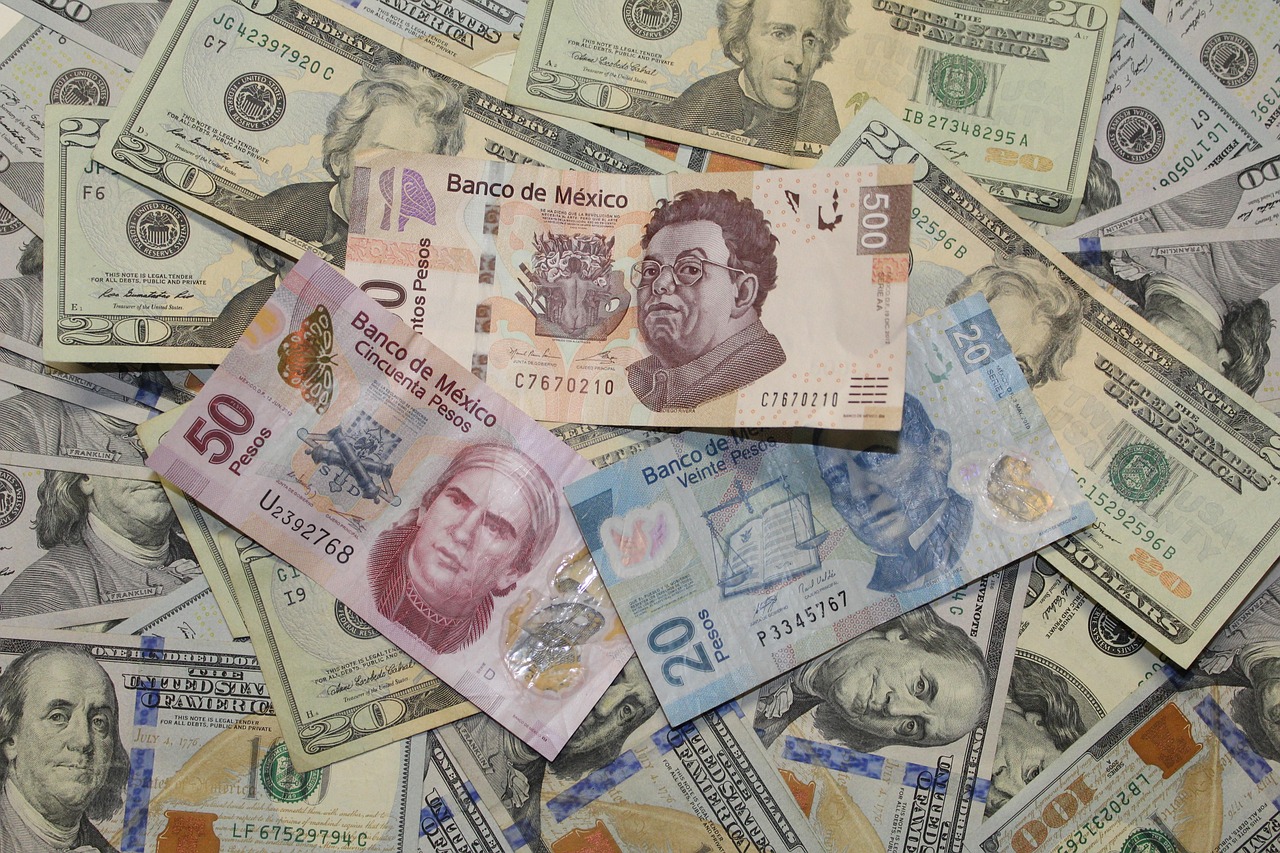
Currency Exchange Tips for Kenyan Travelers Going Abroad
The single biggest money mistake Kenyan travelers make abroad is exchanging currency at the wrong place. Airport kiosks, hotel desks, and street changers routinely offer rates 10–20% below the interbank rate. This guide tells you exactly where to exchange, how much to carry, and how to avoid losing money to hidden fees.
What Is Currency Exchange — and Why It Matters
Currency exchange is converting Kenyan Shillings (KES) into the currency of your destination country. Whether you’re going to Dubai, the UK, the US, or South Africa, you cannot transact locally without the right currency.
The rate you get determines how far your money goes. A bad rate on a KES 200,000 trip can mean losing the equivalent of KES 20,000–40,000 in value — money that should have been in your pocket.
Current Exchange Rate Benchmarks (Approximate)
Use these as a reference when comparing offers. Always check live rates before you travel.
| Currency | Approx. KES Rate (2025) | Common Destination |
|---|---|---|
| USD (US Dollar) | KES 128–132 | USA, international travel |
| EUR (Euro) | KES 138–145 | Europe |
| GBP (British Pound) | KES 162–170 | United Kingdom |
| AED (UAE Dirham) | KES 34–37 | Dubai, UAE |
| ZAR (South African Rand) | KES 6.8–7.5 | South Africa |
| INR (Indian Rupee) | KES 1.5–1.6 | India |
Where to check live rates:
- XE.com — the most widely used benchmark
- OANDA — good for historical comparisons
- Your bank’s mobile app — check the buy/sell spread
The 5 Best Ways to Carry and Exchange Money Abroad
1. Exchange at Reputable Forex Bureaus Before You Leave Kenya
This is the most cost-effective approach for most travelers. Licensed forex bureaus in Nairobi — particularly on Kimathi Street, along Kenyatta Avenue, and inside major malls — consistently offer better rates than airports.
Best practice:
- Exchange only what you need for the first 2–3 days. Rates abroad may be better for some currencies.
- Avoid bureaus that don’t display their rates publicly.
- Always ask: “What is the buying and selling rate?” before handing over cash.
Well-established Nairobi forex bureaus include those at Westgate Mall, Village Market, and the CBD. Compare at least 2–3 bureaus before exchanging any significant amount.
2. Withdraw Cash from ATMs at Your Destination
ATMs connected to international networks (Visa/Plus or Mastercard/Cirrus) are available in virtually every country. They dispense local currency at rates close to the interbank rate — which is usually better than most forex counters.
Tips for using ATMs abroad:
| Do | Don’t |
|---|---|
| Use bank-affiliated ATMs (avoid standalone machines in tourist spots) | Avoid ATMs inside airports — fees are higher |
| Withdraw larger amounts per transaction | Withdraw small amounts repeatedly (each withdrawal incurs a fee) |
| Notify your bank before travel to avoid card blocks | Assume your card works internationally — confirm with your bank |
| Choose to be charged in local currency | Accept “Dynamic Currency Conversion” (DCC) — see below |
Call your bank before you leave. KCB, Equity, Co-op, and NCBA all allow international card use, but you may need to activate it. Ask about per-transaction fees and daily withdrawal limits.
3. Use a Multi-Currency Travel Card or Digital Wallet
Prepaid travel cards let you load multiple currencies at a locked-in rate. They reduce cash risk and are widely accepted globally.
Top options for Kenyan travelers:
| Card/App | Key Benefit | Works in Kenya? |
|---|---|---|
| Wise (formerly TransferWise) | Mid-market rates, low fees, 50+ currencies | Yes — available to Kenyans |
| Revolut | Fee-free spending in 150+ currencies | Partial — check availability |
| Visa Travel Money Card | Accepted anywhere Visa is | Yes |
| Mastercard Prepaid Travel Card | Broad acceptance, reload online | Yes |
Wise is currently the most accessible option for Kenyans. You can hold USD, EUR, GBP, and other currencies in one account and spend directly or withdraw from ATMs.
4. Use Your Kenyan Debit or Credit Card Strategically
Major Kenyan bank cards work internationally, but fees add up quickly if you’re not careful.
Common charges to expect:
- Foreign transaction fee: 3–5% per transaction (charged by your Kenyan bank)
- ATM withdrawal fee: KES 300–600 or equivalent per withdrawal
- Dynamic Currency Conversion (DCC): An extra 3–7% markup when the merchant charges you in KES instead of local currency
Always choose to pay in the local currency. When a card machine abroad asks “Pay in KES or USD/EUR/AED?” — always choose the local currency. DCC is a fee, not a convenience.
5. Carry Some US Dollars as a Backup
USD is accepted as an informal secondary currency in many countries, especially in East Africa, parts of Asia, and in transit scenarios. Carrying USD 100–200 in small denominations (USD 1, 5, 10, 20 bills) gives you a reliable fallback.
Important: Many countries — including some in Southeast Asia and the Middle East — only accept USD notes printed after 2009. Old or slightly torn notes are often rejected. Ask your bank or forex bureau for clean, recent notes.
Where NOT to Exchange Money
Airport exchange counters — Rates are typically 10–15% worse than street bureaus. Use only for small emergency amounts.
Hotel front desks — Convenient, but almost always overpriced. Fine for changing KES 5,000 in a pinch.
Street money changers — This is non-negotiable: never exchange money with unlicensed street changers. Risks include counterfeit notes, shortchanging, and safety threats. This applies whether you’re in Nairobi, Nairobi, Bangkok, or Cairo.
Hidden Fees to Watch Out For
These charges reduce the value of your money without being obvious:
| Fee | What It Is | How to Avoid |
|---|---|---|
| Commission charge | Flat or % fee on top of the exchange | Ask upfront: “What is the total amount I receive?” |
| Dynamic Currency Conversion (DCC) | Paying in KES abroad instead of local currency | Always select local currency on card machines |
| Bank foreign transaction fee | Your Kenyan bank’s fee for international use | Use Wise or a low-fee travel card |
| ATM operator fee | Fee charged by the foreign ATM owner | Use bank-owned ATMs; avoid tourist-area machines |
| Poor spread | Difference between buy and sell rate | Compare XE.com’s mid-rate with what you’re offered |
How Much Cash to Carry
There’s no one-size-fits-all figure, but here’s a practical framework:
For leisure trips (7–14 days):
- Exchange enough cash for 2–3 days of expenses on arrival.
- Rely on ATM withdrawals or card payments for the rest.
- Keep a USD 100–150 emergency reserve.
For business trips:
- Exchange per diem amounts in advance if your organisation requires receipts.
- Keep receipts — some countries require proof of legal currency exchange at departure.
Quick Pre-Travel Currency Checklist
Before you board your flight, confirm:
- Checked today’s exchange rate on XE.com
- Exchanged enough for day 1–3 at a licensed Nairobi forex bureau
- Notified your bank about international travel
- Confirmed your card’s international withdrawal limit and fees
- Loaded a Wise or travel card (optional but recommended)
- Have USD 100–200 in small, clean notes as backup
- Know how to say “charge me in local currency” at your destination
Final Word
Smart currency exchange is not about finding a perfect rate — it’s about avoiding the worst ones. The gap between a good rate and a poor one can easily cost you KES 10,000–30,000 on a single trip.
Use licensed forex bureaus in Nairobi before you leave, rely on bank ATMs abroad, use Wise for card payments, and never accept DCC. Do those four things, and you’ll keep more money where it belongs — in your travel budget.
DISCLOSURE: Our content is reader-supported, which means we earn commissions from links and adverts on Kenya Travel Hub. Commissions do not affect our editorial evaluations or opinions.