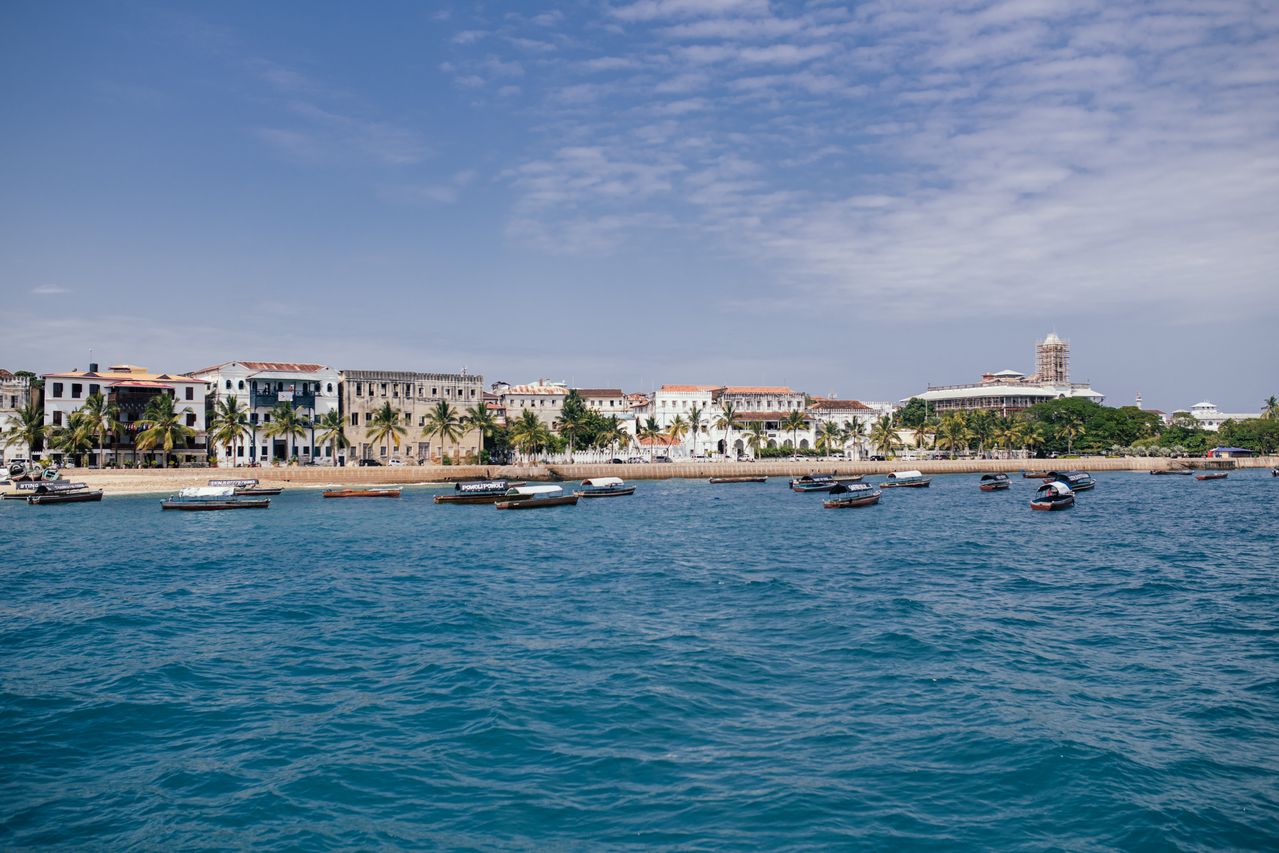
Most visitors who have been to Lamu say the same thing when they come back: “I don’t know why I waited so long.” And then, without fail: “I’m already planning to go back.” This is the Lamu pattern. People go once and it changes their reference point for what a holiday can feel like.
You have probably been to Mombasa. You know Diani. You may have done Malindi. But Lamu is a different category entirely — it is not a beach resort or a coastal town. It is an 800-year-old Swahili living city, a UNESCO World Heritage Site since 2001, where there are virtually no cars, the streets are narrow enough that two donkeys struggle to pass each other, the architecture has not changed significantly in centuries, and the pace of life slows to something that most Nairobians need two full days just to adjust to. The sea is everywhere. Dhow sails catch the wind in the harbour. The smell of the coast — salt, cardamom, grilled fish — is permanent.
This guide covers everything a Kenyan traveller needs to plan a Lamu trip properly: how to get there, what it currently costs in KES, where to stay at three budget levels, the Maulidi Festival timing, the day trips worth taking, and what to eat. Lamu is genuinely affordable if you know how to approach it — and genuinely unforgettable at any budget.
Why Lamu Is Unlike Anywhere Else in Kenya
Lamu Archipelago consists of several islands off Kenya’s northern coast, approximately 340 km north-east of Mombasa. The main inhabitable islands are Lamu, Manda, and Pate. Lamu Island holds the Old Town — the UNESCO-protected historic core — and the village of Shela, 3 km south along the coast, with its sweeping beach.
No Cars
This is the first thing that disorients most visitors and the first thing that makes you exhale. There are no cars in Lamu Old Town. The streets are too narrow — most are barely wide enough for two people to walk abreast. Transport is by foot, by donkey, or by motorised boat. The result is a quiet that urban Kenyans have not experienced in years. No engines, no matatu horns, no traffic. The ambient sound is the ocean, conversation, and the call to prayer.
Swahili Architecture
Lamu’s buildings are made of coral stone and mangrove timber, constructed in a style that evolved over centuries of Arab, Persian, Indian, and African cultural exchange. The defining feature is the carved wooden door — elaborately decorated entrance doors that were a measure of a family’s status and craft. The Old Town has over 2,000 such structures, many of them hundreds of years old, many still inhabited by the families that built them. Walking these streets is genuinely unlike anywhere else on the continent.
Dhow Culture
The dhow — a traditional wooden sailing vessel — is not a tourist prop in Lamu. Dhows are working transport between the islands, fishing boats, and the centerpiece of the Maulidi Festival dhow races that draw thousands of participants. Sunset dhow trips are available for visitors, but the real dhow culture operates independently of tourism — and has been operating for centuries. Watching a dhow sail into the Lamu harbour in the late afternoon light is the specific image that makes most visitors book their return trip before they have even left.
How to Get to Lamu
Lamu is an island — there is no road connection to the mainland. You either fly or you take a ferry/road combination. For most Kenyans coming from Nairobi, the flight is the practical choice.
Option 1: Fly from Nairobi — The Fast and Practical Route
Two main carriers currently serve the Nairobi–Lamu route:
Jambojet (from JKIA — the budget option): Jambojet operates a daily direct flight from Jomo Kenyatta International Airport (JKIA) to Lamu Manda Airport (LAU). Flight time: 1 hour 20 minutes. This is the most affordable scheduled option. Jambojet launched the Lamu route from JKIA with fares starting at KES 5,950 one-way including taxes (introductory launch pricing; current market pricing varies — search jambojet.com for current fares). Book well in advance for festive season travel, especially Maulidi period.
Safarilink (from Wilson Airport — the scenic route): Safarilink operates from Wilson Airport with the possibility of stopping at intermediate destinations like Malindi or the coast en route. Wilson departures are often more convenient for Nairobians who live near Westlands, Upperhill, or Karen. Pricing is typically higher than Jambojet. Book via safarilink.co.ke.
Once you land at Lamu Manda Airport (which is actually on Manda Island, not Lamu Island), you board a short motorised boat ferry to Lamu Town — approximately 10–15 minutes. This is arranged at the airport arrival area and costs approximately KES 200–400 per person. Your guesthouse or hotel can arrange collection if you notify them in advance.
Option 2: Bus to Malindi + Ferry to Lamu — The Budget-Maximum Route
If you have time and a tighter budget, it is possible to reach Lamu overland to Mombasa, then onward to Malindi by bus, and from Malindi take a ferry north to Lamu. This journey takes significantly longer — allow two days minimum — and is most practical for travellers who want to experience the coastal route rather than just reach the destination efficiently. Matatu and bus services connect Mombasa to Malindi regularly.
The Malindi–Lamu ferry (catamaran) is operated by Tawakal Ferries and takes approximately 4–5 hours, departing early morning. Current ferry fares in the region of KES 1,500–3,000 per person one-way. Confirm current schedules and fares directly before travelling — ferry services on this route have historically been variable in regularity.
| Route Option | Transport | Journey Time | Approx. Cost One-Way | Best For |
|---|---|---|---|---|
| Nairobi → Lamu (fly) | Jambojet (JKIA) | 1h 20min | KES 6,000–15,000+ | Most travellers — fast, direct |
| Nairobi → Lamu (fly) | Safarilink (Wilson) | 1h 30min (varies) | KES 9,000–20,000+ | Convenience from west Nairobi |
| Mombasa → Malindi → Lamu | Bus + ferry | 1–2 days | KES 2,000–5,000 total | Budget maximum + scenic coast route |
⚠️ Airport Transfer: What Happens After Landing
Lamu Manda Airport is on Manda Island — not Lamu Island. You cannot walk to Lamu Town from the airstrip.
A short motorised boat ferry takes you from the airport jetty to Lamu Town or Shela. Cost: approximately KES 200–400 per person.
Your accommodation should be notified of your flight number in advance — most guesthouses and hotels will arrange a collection boat at no additional charge.
Do not leave without confirming your accommodation boat or arranging your own ferry at the jetty.
Best Time to Visit Lamu
| Season | Months | Weather | Event | Verdict |
|---|---|---|---|---|
| Dry (NE Monsoon) | Dec–Mar | Sunny, warm, gentle breeze. Best sea conditions. | High season. Busy. | ✅ Best weather, busiest & priciest |
| Transitional | Apr–May | Long rains. Can be heavy. | Quieter. | 🟡 Budget season — much cheaper |
| Dry (SE Monsoon) | Jun–Sep | Warm, breezy, excellent sailing. | Maulidi Festival (Islamic calendar — varies). | ✅ Great conditions + potential festival |
| Short Rains | Oct–Nov | Short showers, mostly pleasant. | Cultural Festival (Nov). | 🟡 Good — catch the Cultural Festival |
The Maulidi Festival: Lamu’s Greatest Event
The Lamu Maulidi Festival is one of the most significant Islamic cultural events in East Africa. In 2026, the 132nd edition was held in August at the historic Riyadha Mosque, drawing over 10,000 pilgrims and visitors from across Kenya, Yemen, Oman, the UAE, Tanzania, and beyond. The festival marks the birth of Prophet Muhammad and is celebrated with a week of events centred on the Riyadha Mosque.
The programme includes: overnight prayers and Qur’an recitations; traditional Swahili dances including kirumbizi, mdurenge, and goma; dhow races and donkey races sponsored by Kenya Ports Authority; Islamic calligraphy competitions; poetry recitations (shairi); henna art; and a large free medical camp organised by Riyadha Health and Welfare Services, staffed by medical volunteers from Kenya and abroad.
The Maulidi date follows the Islamic lunar calendar and shifts approximately 11 days earlier each Gregorian year. For 2027, expect the festival approximately 11 days earlier than the 2026 dates. Check with the Riyadha Mosque committee or the Lamu County tourism office for exact dates each year.
📅 Maulidi Booking Warning
Accommodation in Lamu fills up weeks in advance during Maulidi. If visiting during the festival period, book your flights and accommodation at least 6–8 weeks ahead.
Prices increase significantly — budget guesthouses that normally charge KES 3,000–4,000 per night may charge double during the festival week.
The festival is a religious observance first. Visitors are welcome to observe but should dress modestly — men: covered shoulders; women: covered arms and legs. This applies year-round in Lamu Old Town but is especially important during festival week.
Lamu Cultural Festival (November)
The Lamu Cultural Festival, typically held in November, is the more tourism-oriented counterpart to Maulidi. It features traditional dhow races, donkey races, taarab music, henna competitions, and cultural exhibitions. Jointly organised by the National Museums of Kenya, it has historically attracted both domestic and international visitors. Confirm current year dates with the Lamu County Government or Kenya Tourism Board.
Where to Stay: Three Budget Levels
Lamu has no large chain hotels and no international resort brands — which is entirely part of the point. Accommodation is in converted Swahili townhouses, boutique guesthouses, and private villas, most of them in the Old Town or in Shela. Shela is generally quieter, more upmarket, and closer to the beach. The Old Town is more characterful, more social, and closer to the souks and restaurants.
Budget Tier: KES 3,000–7,000 per room per night
Several well-reviewed guesthouses in the Old Town offer basic but clean rooms with the authentic Lamu townhouse character — wooden furniture, carved doors, simple rooftop terraces, and the sounds of the town at night. Budget guesthouses typically include breakfast and are within walking distance of the waterfront.
JamboHouse Lamu is frequently cited as offering mid-range amenities at a genuinely local price point — clean rooms, a good rooftop terrace, and helpful staff who know the island. Multiple reviewers have noted it feels more like a quality mid-range guesthouse than a budget option despite the pricing.
Lamu Sunsail Hotel (operated by Ali Bunu, a key figure in Lamu’s cultural events scene) is another consistently recommended option in the Old Town, with direct insight into local events including Maulidi.
Practical notes: Most budget guesthouses operate on a cash basis — bring KES cash. Not all have reliable Wi-Fi. AC is often available at a supplement. Negotiate for stays of 3+ nights, particularly outside peak season.
Mid-Range: KES 8,000–20,000 per room per night
The mid-range bracket opens up significantly better rooms — often in beautifully restored Swahili townhouses with sea views, rooftop terraces with Kilimanjaro views (on very clear days), swimming pools, and in-house dining. Properties in this tier in Shela are particularly strong.
Lamu House Hotel in the Old Town is a frequently reviewed mid-range option with multiple room types, a rooftop terrace, and a good restaurant. The position in the Old Town means you are in the cultural heart of the island.
Shela-based guesthouses — including several unnamed properties accessed through Airbnb and Booking.com — offer superior beach proximity in this tier. Filter for Shela specifically rather than ‘Lamu’ if beach proximity is your priority; the Old Town is 3 km from the beach.
Boutique Luxury: KES 25,000–80,000+ per room per night
Lamu’s top end is internationally recognised and genuinely exceptional — restored coral stone houses with private rooftop plunge pools, personal butler service, private dhow access, and chef-prepared meals. Properties like The Majlis Resort (a popular resort property) and several exclusive Shela villas sit in this category. International non-resident pricing for Lamu’s best properties runs USD 200–600+ per night; resident pricing (ask directly) is lower.
Many of Lamu’s finest private villas are rented through specialist Kenya travel operators or direct booking. If this tier is your target, book through a verified operator who has relationships with the properties rather than through generic aggregators where you may not know what you are getting.
Budget Breakdown: What a Lamu Trip Actually Costs in KES
Below are two realistic trip scenarios for a 3-night Lamu visit.
Scenario A: Budget-Conscious Couple (3 nights)
| Item | KES | Notes |
|---|---|---|
| Return flights (Jambojet, 2 pax) | 12,000–24,000 | KES 6,000–12,000 pp return; book early for low end |
| Airport boat transfer (2 pax) | 400–800 | Both directions, per person ~KES 200–400 |
| Accommodation (3 nights, budget guesthouse) | 9,000–18,000 | KES 3,000–6,000/night, includes breakfast |
| Meals (3 days, street food + local restaurants) | 3,000–5,000 | Seafood, biryani, pilau — genuinely affordable |
| Sunset dhow trip (2 pax) | 2,000–4,000 | Negotiate directly; group dhows are cheaper |
| Shela Beach day trip (boat) | 800–1,200 | Short boat ride from Lamu Town |
| Lamu Fort / Museum entry | 400–800 | Adults: approximately KES 200–400 per person |
| Extras (drinks, shopping, tips) | 2,000–4,000 | Cumin tea, coconut water, spice market |
| TOTAL (2 people, 3 nights) | KES 29,600–57,800 | KES 14,800–28,900 per person |
Scenario B: Comfort Weekend (Couple, Shela guesthouse, 3 nights)
Add approximately KES 20,000–30,000 to the above for mid-range accommodation in Shela (KES 12,000–15,000/night versus KES 5,000), a private sunset dhow (KES 6,000–8,000 for two), and a Manda Island snorkeling trip. Total for two: approximately KES 60,000–90,000 (KES 30,000–45,000 per person).
What to Do: The Lamu Essentials
Walk the Old Town
This requires no planning and no money. Simply walk. Get lost deliberately. The Lamu Museum — one of the best small museums in East Africa — is a strong first stop: it explains the island’s history, the dhow trade, and the Swahili cultural synthesis that produced this place. Lamu Fort (currently being restored) has been a museum, prison, and wildlife conservation space over the centuries. The German Post Office Museum is small, quirky, and free for residents. The Riyadha Mosque — the centre of the Maulidi Festival — can be visited respectfully outside of prayer times.
Sunset Dhow
The classic Lamu activity and entirely worth doing. A shared sunset dhow trip lasts 1–2 hours and typically includes the captain sailing you out into the channel as the sun drops behind the mainland hills. Prices vary — KES 1,000–2,000 per person for a shared dhow, KES 4,000–8,000 for a private dhow for two. Negotiate directly with the boat captains on the waterfront rather than through a guesthouse middleman for the best price.
Shela Beach
Shela is 3 km south of Lamu Old Town — reachable by a 40-minute walk along the seafront or a 5-minute boat ride. The beach stretches for 14 km of largely empty white sand backed by sand dunes. The swimming and snorkelling are best in the morning before the afternoon wind builds. A whole day at Shela — book, bring lunch from a Shela restaurant, read, sleep — is one of the most restorative things you can do on this island.
Shela village also has its own small selection of restaurants and the Peponi Hotel (one of Kenya’s most storied coastal hotels) on the waterfront, where you can sit for a drink even if not staying there.
Manda Island Day Trip
Manda Island — directly across the channel from Lamu Town — is where the airport sits, but it also has the Manda Toto Beach: a quiet, largely empty stretch with good snorkelling over the reef. Day trip boats are easily arranged from the Lamu waterfront, including snorkelling gear. Budget approximately KES 2,000–4,000 per person for a group boat with snorkel gear. The mangrove forests on the northern side of Manda are also navigable by canoe on a more adventurous day trip.
Pate Island (For the Adventurous)
Pate is the third main island in the archipelago and the most historically significant — it was the dominant Swahili power before Lamu rose to prominence. Getting there requires a 2–4 hour boat journey. Pate Town and nearby Siyu have preserved ruins and architecture that predate Lamu’s Old Town. This is a full-day or overnight trip and requires either a hired boat or catching the irregular public ferry. Not for casual visitors — for Kenyans who want to go deeper into the archipelago’s history, it is extraordinary.
What to Eat in Lamu
Lamu’s food is the Swahili coast at its most concentrated and most honest. Lamu is not a resort buffet destination — the best food is at small local restaurants, street stalls, and the homes of families who have been cooking the same recipes for generations. Prices are genuinely affordable.
The Essentials
- Biryani ya Lamu — The defining dish. Lamu biryani is distinct from mainland Kenyan biryani — more aromatic, more spiced, cooked with whole spices and slow-cooked meat or fish. Available at most local restaurants from KES 400–800 a plate.
- Pilau — A fragrant spiced rice dish, slightly different in character from the version you know from Mombasa or Nairobi. KES 300–500.
- Samaki wa Kupaka — Grilled fish in a coconut-based sauce, served with ugali or rice. The fish is fresh from that morning. KES 500–800.
- Tamu tamu (street snacks) — Mandazi, mahamri (a slightly sweet coconut donut), mkate wa ufuta (sesame bread), and bhajia. All available at stalls around the market area for KES 20–60 per piece.
- Kahawa ya kungu — Coffee prepared with cardamom and ginger in the Yemeni style. Served in tiny cups at the coffee stalls along the waterfront. KES 20–50 a cup. Do not leave Lamu without trying it.
- Fresh coconut water — Sold by the roadside throughout the Old Town. KES 30–50 per nut.
Where to Eat
The Bush Gardens Restaurant is one of Lamu’s most consistent local restaurants, on the waterfront facing the harbour, with a view of the dhow traffic. Whispers Cafe is a popular option for breakfasts and lighter meals in the Old Town. Hapa Hapa Restaurant is known for good fresh seafood at fair prices. For street food, the evening market area behind the main waterfront is the place to be after 6:00 PM.
Practical Tips Before You Go
- Cash is essential — Lamu is a largely cash economy. Most guesthouses, restaurants, and market stalls do not accept M-Pesa or card. The main town has ATMs (Equity, KCB) but they are not always stocked — withdraw enough cash in Nairobi or Mombasa before arriving.
- Dress modestly — Lamu is a Muslim community with traditional values. Both men and women should cover shoulders and knees in the Old Town. On Shela Beach, normal swimwear is fine. Bring a light cover-up for the evenings.
- Donkeys, not cars — Do not attempt to navigate the Old Town by any vehicle. Walk, take a boat, or ride a donkey (arranged through your guesthouse). The streets are genuinely impassable by car.
- Haggle, politely — Prices at craft stalls and for boat trips are negotiable. Be respectful about it. A fair negotiation is part of the culture. Aggressive bargaining is not.
- Sun and heat — Lamu is coastal equatorial. Apply sunscreen before you step out, every morning. The reflected heat off coral stone streets at midday is significant. Start early, rest from 12:00–15:00, and resume in the late afternoon.
- Book accommodation and flights early for Maulidi — By at least 6–8 weeks in advance. Both the town and flights fill completely.
Frequently Asked Questions
How do you get to Lamu from Nairobi?
The most practical option is a direct flight. Jambojet flies daily from Jomo Kenyatta International Airport (JKIA) to Lamu Manda Airport in approximately 1 hour 20 minutes. Safarilink operates from Wilson Airport. One-way flights start from approximately KES 6,000 (Jambojet) and go higher for premium bookings and peak season. On arrival at Lamu Manda Airport (which is on Manda Island, not Lamu Island), a short 10–15 minute motorised boat transfers you to Lamu Town for approximately KES 200–400 per person. Pre-notify your accommodation to arrange collection.
Is Lamu safe to visit?
Lamu is generally considered safe for domestic and international visitors, and remains one of Kenya’s most popular tourist destinations. The county government and Kenya Police maintain a significant security presence that increased substantially following security incidents in the wider Lamu County region in earlier years. Lamu Island and Shela have not experienced the security issues that affected some inland parts of Lamu County. Consult the most current Kenya Police and government advisories before travelling. Most visitors — thousands of Kenyans and international tourists annually — experience no security issues. Standard precautions apply: do not walk alone late at night in unfamiliar areas, secure valuables, and follow local advice.
What is the best time to visit Lamu Island?
December to March (NE monsoon dry season) offers the best weather — clear skies, warm temperatures, and gentle breezes. June to September is also dry, with the SE monsoon creating excellent dhow sailing conditions. The Maulidi Festival (which shifts annually on the Islamic calendar — it fell in August 2026) is the most atmospheric time to visit, but requires booking well in advance. If budget is your priority, April–May (long rains) and October–November (short rains) offer significantly cheaper accommodation and fewer crowds with broadly acceptable weather.
Is Lamu Island expensive?
Lamu is genuinely affordable if you approach it correctly. A budget couple spending 3 nights — using a budget guesthouse, eating at local restaurants, and taking a sunset dhow — can do it for approximately KES 30,000–60,000 total for two. The main cost is the flight (KES 12,000–24,000 return for two on Jambojet if booked in advance). Once on the island, food is cheap — a good seafood meal costs KES 500–800. Accommodation in a budget guesthouse runs KES 3,000–6,000 per room per night. Lamu is significantly more affordable than Diani’s midrange properties or a Mara safari, with a completely different and arguably more culturally rich experience.
Can Kenyans visit Lamu without a special permit or documentation?
Yes. Lamu is a Kenyan county — no special documentation is required for Kenyan citizens. You need only your national ID or passport (for the flight check-in) and your plane ticket. There are no restricted zones in Lamu Old Town or Shela for general visitors. During the Maulidi Festival, portions of the area around Riyadha Mosque may have temporary restrictions for non-participants during specific prayer and procession times — observe the local guidance and space will be provided for respectful observers.
