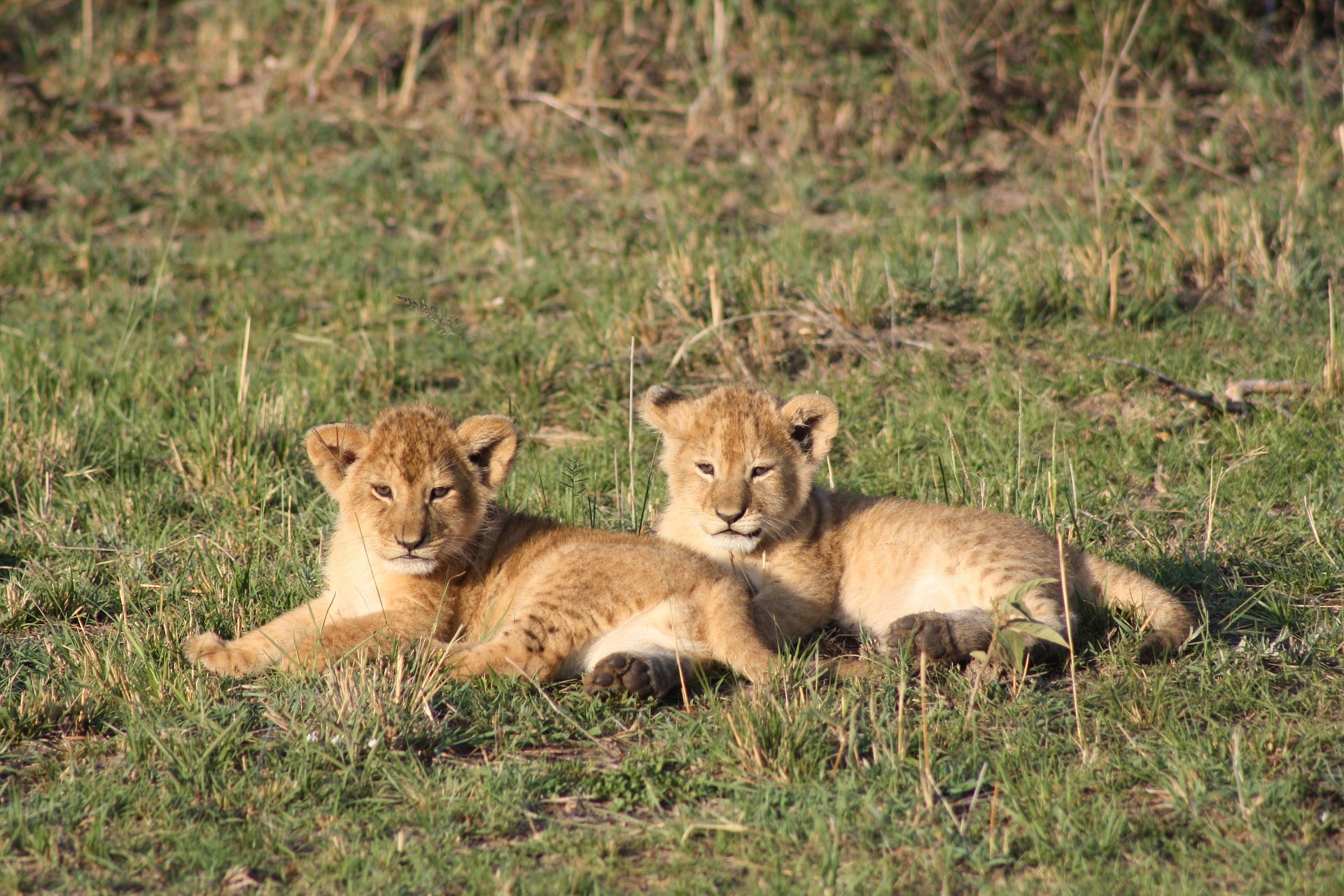
You have lived in the same country as the Masai Mara your entire life and you have never been. You know the migration videos by heart. You have watched the lion documentaries, the BBC nature specials, the wildebeest crossing footage that makes your heart move even on a laptop screen. Tourists fly in from London, New York, and Tokyo and pay thousands of dollars to see what sits in your own backyard — and somehow you have convinced yourself it is not for you.
Here is the part those documentaries never show: Kenyans pay a fraction of what international tourists pay to enter the same park. The resident rates that Narok County charges Kenyan citizens are among the most significant travel advantages in the entire country, and they are almost entirely untalked about in Kenyan travel circles. A foreigner pays KES 15,000–26,000 per day per person just to enter during peak season. A Kenyan citizen pays KES 1,500 in low season and KES 3,000 in peak season. Same park, same lions, same sunrise.
This guide is the one you needed before now. Real resident rates, real KES budgets for different trip styles, honest accommodation options from tented bandas to mid-range lodges, the group vs private trip breakdown, what to pack and what you do not need, and the best time to go without paying peak-season prices. The Mara is yours. This guide shows you how to get there.
Resident Rates vs Non-Resident Rates: The Number That Changes Everything
The Masai Mara National Reserve is administered by the Narok County Government (not KWS), which sets its own fee structure independently of Kenya Wildlife Service parks. The fee structure runs on a two-tier seasonal system:
| VISITOR CATEGORY | LOW SEASON (JAN-JUN) | HIGH SEASON (JUL-DEC) | NOTES |
|---|---|---|---|
| Non-Resident Adult | USD 100 (~KES 13,000) | USD 200 (~KES 26,000) | Payable in USD or KES equivalent |
| Non-Resident Child (3–17) | USD 50 (~KES 6,500) | USD 100 (~KES 13,000) | Per 24-hour period |
| Kenyan Citizen Adult | KES 1,500 | KES 3,000 | Valid ID required at gate |
| Kenyan Citizen Child | KES 300 | KES 500 | Ages 3–17 |
| Kenyan Citizen Student | KES 300 | KES 500 | Valid student ID required |
| East African Citizen Adult | KES 2,500 | KES 5,000 | Tanzanian, Ugandan, Rwandan, etc. |
What this means in practice: On a 3-night trip in low season, a Kenyan adult pays KES 4,500 total in park entry fees. An international visitor pays the equivalent of approximately KES 39,000 for the same three days. That is an 8x price difference for the same experience. The single most important thing you can do when planning a Mara trip is carry your original Kenyan National ID or passport. No ID means you pay non-resident rates. Gate officials do not make exceptions.
⚠️ Important: Fee Increase Alert
Masai Mara fees were significantly restructured in late 2024 and have continued adjusting into 2026. Kenyan citizen adult fees rose from KES 1,000 to KES 1,500 (low season) and from KES 1,200 to KES 3,000 (high season) — a substantial increase that contributed to a documented drop in visitor numbers in 2025. Always verify current rates at the Narok County Tourism website or by calling the gate directly before your trip, as these fees can change without widely publicised advance notice.
Vehicle Entry Fees
Park entry fees are per person, but your vehicle also pays a daily gate fee — this is separate from the per-person rates. Fees range from approximately KES 1,000 for a standard passenger car to KES 1,500–3,000 for a minibus or larger safari vehicle, charged per entry per day. If you are self-driving, factor this into your budget per day. If you are with an operator, this cost is typically included in their quoted package price.
Camping Fees
On top of park entry, if you are camping inside the reserve you pay an additional camping fee. Kenyan citizens currently pay approximately KES 1,000 per adult per night at public campsites inside the reserve. Children and students pay KES 200. These fees are paid at the gate and are separate from the accommodation charge at any campsite or camp you book.
Best Time to Visit: Balancing Wildlife, Weather and Your Budget
| SEASON | MONTH(S) | HIGHLIGHTS | FEES | VERDICT |
|---|---|---|---|---|
| Green Season | Jan–Mar | Calving season (wildebeest births), lush landscape, few tourists | Low (KES 1,500/day) | ✅ Best value. Excellent predator action. |
| Shoulder | Apr–Jun | Long rains, quieter reserves, greenery, roads can be muddy | Low (KES 1,500/day) | 🟡 Budget deals. Check road conditions. |
| Migration Peak | Jul–Oct | Great Migration river crossings (Aug–Sep strongest), peak crowds | High (KES 3,000/day) | 🌟 Bucket-list. Book accommodation early. |
| Short Rains / Festive | Nov–Dec | Short showers, migratory birds arrive, Christmas peak prices | High (KES 3,000/day) | 🟡 Festive atmosphere but pricier. |
The budget-smart choice: January to March (green season). Fees are at the lower KES 1,500/day rate, accommodation prices drop significantly, crowds are far thinner, and the wildlife is excellent — this is calving season, which means massive numbers of wildebeest young and the predators that hunt them. The landscape is green and dramatic, and you are unlikely to have your vehicle stuck in a queue at the Mara River with forty other tourist vehicles all jostling for the same view.
If the Great Migration river crossings are your primary goal, August and September are the most reliable months. You will pay the higher KES 3,000/day rate and accommodation prices peak. Book camps at least 4–6 months in advance for July–October travel — popular budget camps fill up faster than most Kenyans expect.
Where to Stay: Budget to Mid-Range Options for Kenyan Residents
Accommodation is the biggest variable in a Mara budget. The good news: several genuinely good options exist at prices that work for Kenyans. Here is the honest breakdown:
Budget Tier 1: Public Campsites Inside the Reserve
The most affordable option within the reserve is pitching a tent at a designated public campsite. You bring your own tent and sleeping gear, pay the KES 1,000/night camping fee, and have access to basic ablution facilities. This is the lowest cost night in the Mara possible — roughly KES 2,500 per person for the night (camping fee + park entry). For groups with camping gear and an experienced self-driver, this delivers a genuinely immersive experience at minimal cost.
The trade-off: facilities are basic, security is your own responsibility, and you need to sort your own food and cooking entirely. Not for first-timers unless you are going with experienced campers.
Budget Tier 2: Tented Camps Outside the Reserve Boundary
The most popular budget approach is to stay at a tented camp or banda just outside the reserve boundary (typically near the Sekenani or Talek gates). You pay park entry fees daily to go in for game drives, then return to the camp each evening. These camps are typically in the KES 5,000–12,000 per person per night full board range for Kenyans, depending on season and whether resident rates apply.
Masai Mara Manyatta Camp is one of the most frequently recommended budget options for Kenyans, with published resident rates of KES 9,000–12,000 per night (B&B or full board) depending on season. 40 spacious tents on hard surfaces with makuti thatching. Good for groups.
Enkorok Mara Camp in the Siana Conservancy sits on a ridge overlooking open grassland, 5 minutes from the Ololaimutia Gate. Described as a stone-and-thatch banda property with resident and conservancy feel. Published rates from approximately KES 19,500–32,500 per person per night full board — comfortably mid-range for Kenyans, with resident pricing that drops well below international rack rates.
Enchoro Wildlife Camp is a consistently well-reviewed budget option inside the Mara ecosystem, offering basic but clean accommodation. International rates run $80–120 full board. Resident rates are significantly lower; confirm directly with the camp.
Mid-Range: Resident Deals at Established Lodges
Several well-known lodges publish specific East African or Kenyan resident packages that make a quality lodge experience achievable. These are regularly worth checking — especially in the green season when lodges aggressively promote resident pricing.
Mara Serena Safari Lodge (Twende Serena resident offer): one of the Mara’s best-positioned lodges, sitting on a hill inside the reserve. Their current resident rates during low season run KES 36,000 per double / KES 24,000 per single full board. In the context of what non-residents pay ($400–500 per person per night), this is exceptional value.
💰 [AFFILIATE LINK OPPORTUNITY: Mara accommodation booking — link to direct lodge booking pages, Booking.com or Airbnb safari camp listings]
Mara Sopa Lodge is another established property sitting just outside the Oloolaimutia Gate with good resident pricing during low season. Contact directly for current Kenyan resident rates — they vary significantly by month and are not always published online.
Community Bandas: The Most Authentic Budget Option
Several Maasai community conservancies on the reserve’s border operate simple bandas — traditional-style rooms or cottages run by community groups. These provide the most direct economic benefit to Maasai families, and rates for Kenyans are genuinely low. Ask Narok County tourism offices, your tour operator, or search specifically for ‘Mara community bandas’ to find current availability. Facilities are basic but the cultural interaction and direct community benefit make these memorable in a different way from any lodge experience.
Group Safari vs Your Own Private Trip: The Real Cost Comparison
This is the question every Kenyan planning a first Mara trip wrestles with. Here is the honest breakdown of both approaches:
Option 1: Join a Group Safari
Numerous Nairobi-based operators run budget group safaris specifically targeting Kenyans on resident rates. A typical 3-day/2-night group package from Nairobi in a shared Land Cruiser (6–8 people) including transport, park entry at resident rates, accommodation at a budget camp, and game drives currently runs approximately KES 25,000–40,000 per person in low season.
The advantages: everything is handled for you, you split vehicle costs across the group (reducing per-person transport significantly), a knowledgeable driver-guide is included, and you meet other travellers. You do not need to own or hire a 4WD, arrange your own food, or navigate the park’s internal roads.
The disadvantages: you are on someone else’s schedule, you may be in a vehicle with people whose pace does not match yours, and the standard group game drive experience — following other vehicles to sightings — can feel crowded during peak season.
💰 [AFFILIATE LINK OPPORTUNITY: Group safari booking — link to verified Nairobi operators offering resident-rate group packages to Masai Mara]
Option 2: Organise Your Own Private Trip
If you have 4–6 friends willing to split costs, a private trip often works out at a comparable or lower total cost while giving you far more flexibility. The key costs:
- 4WD vehicle hire with driver-guide: approximately KES 12,000–18,000 per day for a 7-seater Land Cruiser with a guide. Split across 6 people = KES 2,000–3,000 per person per day
- Fuel: Nairobi–Mara return approximately KES 7,000–9,000 in fuel. Split across 6 = KES 1,200–1,500 per person
- Park entry: KES 1,500/day (low season) per person — you pay this directly at the gate with your ID
- Accommodation: KES 5,000–9,000 per person per night at a budget camp outside the reserve
- Food: Camp full board included; budget KES 500–1,000 per person for extras and drinks
On this basis, a 3-day/2-night private group trip splits to approximately KES 25,000–38,000 per person in low season — broadly comparable to a group safari package but with complete schedule control and no strangers in your vehicle.
The Self-Drive Question
Self-driving in the Masai Mara is technically permitted but not recommended for first-time visitors. The park has no marked roads — it is open bush — and navigation without local knowledge is genuinely difficult. More practically, a standard car rental vehicle will not survive the roads. You need a 4WD and someone who knows where the wildlife is. A driver-guide (as opposed to a self-drive hire) adds approximately KES 2,500–4,000 per day but pays for itself within the first hour when your guide spots a leopard in a tree that you would have driven past without noticing.
3-Night Masai Mara Budget Breakdown in KES (Per Person, 2026)
All figures below are per person, based on a group of 4–6 Kenyans travelling in low season (January–June). These are realistic planning estimates, not marketing-optimised numbers.
| COST ITEM | BUDGET OPTION (KES) | MID-RANGE OPTION (KES) | NOTES |
|---|---|---|---|
| Transport (Nairobi return, shared) | 5,000–8,000 | 8,000–15,000 | Shared group vehicle vs private hire |
| Park entry (3 days, KES 1,500/day) | 4,500 | 4,500 | Same for all — resident rate is resident rate |
| Vehicle gate fee (3 days, split) | 600–900 | 600–900 | Per vehicle per day, split by occupants |
| Camping fee (2 nights at KES 1,000) | 2,000 | N/A | Only if camping inside the reserve |
| Accommodation (2 nights, full board) | 10,000–18,000 | 28,000–50,000 | Budget tented camp vs mid-range lodge |
| Activities (game drives included) | 0–5,000 | 0–5,000 | Most camps include drives; add optional night drive |
| Drinks and extras | 1,000–3,000 | 2,000–5,000 | Sundowners, soft drinks, tips |
| TOTAL (per person) | KES 23,100–39,400 | KES 43,100–80,400 | Excluding hot air balloon |
A hot air balloon safari costs approximately USD 550–650 per person (KES 70,000–84,000) — the same for residents and non-residents. It is extraordinary and the Mara at sunrise from a balloon is unlike anything else on earth, but it is a luxury addition, not a budget item.
What to Pack and What Your Camp Will Provide
This is the section most Kenyan first-timers wish they had read earlier.
Wear: Neutral Colours Only
This is not just a fashion recommendation — it is practical. Khaki, olive, tan, grey, and brown are the colours of the savanna. Bright clothing disturbs wildlife (particularly birds and some mammals) and draws insects. Equally important: do not wear dark blue or black in the bush. Dark colours attract tsetse flies, which bite hard and carry disease. If you own one bright outfit and pack nothing else, leave it in Nairobi.
Pack List
- Layers for cold mornings: Game drives begin at 6:00–6:30 AM. In June–August especially, the Mara mornings are cold. A fleece or light jacket is essential regardless of season. You will feel ridiculous in a T-shirt in an open Land Cruiser at dawn.
- Sun protection: A wide-brim hat, UV sunglasses, and sunscreen SPF 50+ for open-vehicle game drives. You are on the equator in an open vehicle for 4+ hours. Burns happen fast.
- Binoculars: This is the single most impactful piece of equipment after the vehicle itself. Budget KES 3,000–8,000 for a decent pair. A guide’s spotter can see a leopard at 800 metres; without binoculars, you are looking at a brown blob.
- Insect repellent with DEET: Apply at dusk and dawn. Malaria risk is real in the Mara. Take your prescribed antimalarials before, during, and after the trip.
- Camera / phone with zoom: A phone with a telephoto lens or a compact camera is fine for most wildlife photography. Do not stress about not owning a professional camera — the wildlife at the Mara gets close enough that many standard phone cameras can produce excellent images.
- Cash: KES cash for park entry (some gates accept mobile money but cash is universal), tips, and any extras. ATMs are not available inside the reserve. Withdraw in Narok on the way in.
- Reusable water bottle: Hydration during game drives is important. Most camps will fill a bottle. Buying bottled water inside the Mara is expensive and wasteful.
What Your Camp Provides
At any decent tented camp or lodge on full board, you can expect: all meals (breakfast, lunch, dinner), bedding and towels, mosquito nets, hot water for showers (often solar heated), and game drives in a camp vehicle. You do not need to bring: food, cooking equipment, towels, a pillow, or a sleeping bag (unless camping independently on a public site). Pack lighter than your instinct tells you to.
Frequently Asked Questions
How much do Kenyan citizens pay to enter the Masai Mara in 2026?
Kenyan citizen adults currently pay KES 1,500 per person per day from January to June (low season) and KES 3,000 per person per day from July to December (high season). Children aged 3–17 and students with valid IDs pay KES 300–500 per day. These rates require presentation of a valid original Kenyan National ID or passport at the gate. By comparison, non-resident international adults pay the equivalent of KES 13,000–26,000 per day for the same entry. Confirm current rates before travel as they are set by Narok County and can change.
What is the cheapest realistic way to do a 3-night Masai Mara safari as a Kenyan?
The most affordable route is to join a budget group safari from a reputable Nairobi operator — these packages run approximately KES 23,000–35,000 per person in low season and include transport, park fees at resident rates, accommodation at a basic camp, and game drives. If you prefer to organise your own trip, assembling a group of 4–6 and hiring a 4WD with a driver-guide brings the per-person cost to a similar range while giving you more control over timing and pace. Either approach is significantly cheaper than what most Kenyans assume a Mara trip costs.
Do you need a 4WD to visit the Masai Mara?
Yes, firmly. The Masai Mara has no paved internal roads — navigation is on open bush tracks and unpaved murram roads that become genuinely difficult after rain. A standard saloon car, even a capable one, will not cope with creek crossings, muddy tracks, and the rutted surface of the reserve roads. You need a 4WD vehicle: a Land Cruiser, Land Rover Defender, or similar. Most budget safari packages include this as the game drive vehicle, so if you are joining a group safari you do not need to arrange this separately. If organising your own trip, hire a 4WD with a driver.
Is the Masai Mara worth visiting outside of migration season?
Yes — without hesitation. The Great Migration gets the headlines but the Masai Mara has permanently resident populations of lion, cheetah, leopard, elephant, buffalo, hippo, crocodile, giraffe, zebra, and hundreds of bird species. The Mara is genuinely one of Africa’s densest wildlife areas regardless of month. January to March (green season) is particularly special for predator-prey dynamics — it is calving season for wildebeest, which drives extraordinary big cat activity. You will often have a more concentrated, less crowded wildlife experience in January than in August when the reserve is at full tourist capacity.
What ID do I need to claim Kenyan resident rates at the Masai Mara gate?
You need your original Kenyan National ID card or a valid Kenyan passport. Photocopies are not accepted. Students claiming student rates additionally need a valid student ID from a recognised institution. East African citizens claiming EA rates need their national ID from their home country. Do not travel to the Mara gate without your original ID — the gate officials have no discretion and you will be charged non-resident rates regardless of your actual citizenship. This is the one item you genuinely cannot forget.
