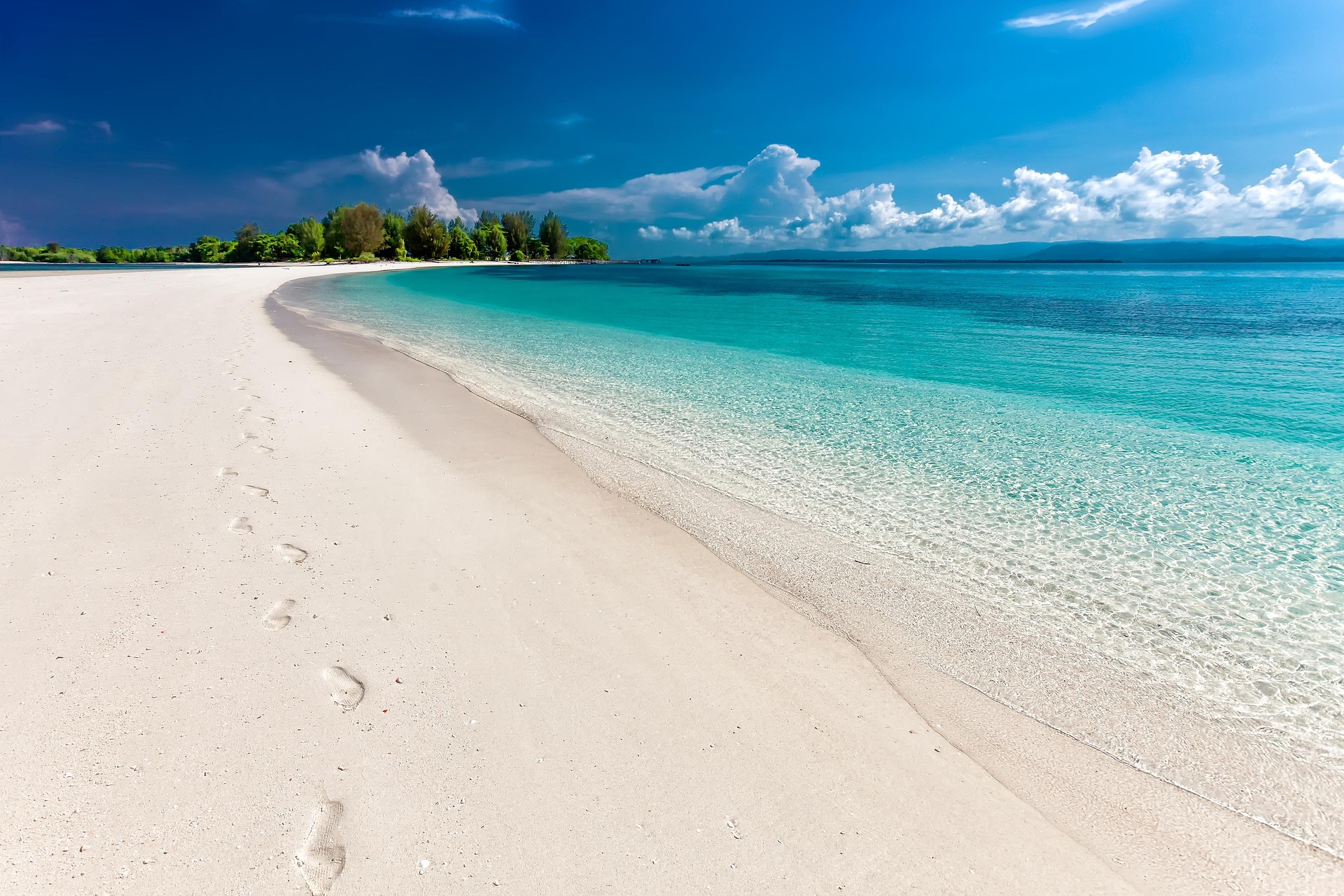
You grew up hearing about Diani from your parents, from your colleagues, from every WhatsApp group that suddenly goes quiet on a long weekend when half the members have clearly taken the same trip without inviting you. It has been Kenya’s most famous beach for decades, and the conversation around it has barely changed: the sand is white, the water is clear, the seafood is unbelievable, and somehow you still haven’t been.
Here is the truth about Diani in 2026: it is better connected to Nairobi than it has ever been, the Dongo Kundu Bypass has eliminated the old Likoni Ferry bottleneck for most travellers, and there is a wider range of accommodation than at any previous point in the beach’s history — from a KES 5,000-per-night tented eco-camp to a KES 120,000-per-night private villa. Diani works for almost every Kenyan budget.
What it requires is planning. The wrong season, the wrong accommodation area, or not knowing what to expect from the beach boys will colour your entire experience. This guide gives you the complete picture — transport options with real prices, honest accommodation breakdowns by area, water sports costs in KES, the wildlife attraction almost nobody who hasn’t visited Diani knows about, where to eat without overpaying, and the safety realities you need to understand before you go.
How Long to Stay: The Honest Verdict
The minimum worthwhile trip to Diani is 3 nights. This gives you one day of travel recovery and settling in, one full beach day, and one day for activities before you return. Anything shorter and you will spend a disproportionate amount of your trip in transit.
The sweet spot is 4 to 5 nights. This allows you to try different beaches, do at least one or two water activities, visit the Colobus Trust, explore a restaurant or two beyond your hotel, and actually switch off. Most Kenyans who complain that Diani was boring were there for only 2 nights — not enough time.
A week or more in Diani is ideal if you are a diver, a kitesurfer learning the sport, or genuinely want to decompress. The beach itself supports that length of stay without effort. Beyond a week, you are likely to want a day trip to Wasini Island or Shimba Hills National Reserve to add variety.
Getting to Diani: Your Three Real Options
Diani Beach is located on Kenya’s South Coast in Kwale County, approximately 30 km south of Mombasa. It is not particularly far from Nairobi — the challenge has always been the Likoni Ferry, which used to create long, unpredictable queues between Mombasa and the South Coast. That problem is now largely solved.
Option 1: Fly Direct to Ukunda Airstrip — The Fastest Route
Diani has its own small airstrip at Ukunda, minutes from the beach itself. Jambojet flies from JKIA (Nairobi), while Safarilink and Skyward Express operate from Wilson Airport. The flight takes approximately 1 hour, and from the airstrip to most hotels is a 5–15 minute tuk-tuk or taxi ride.
This is the route to take if you value your time. One-way fares typically range from KES 7,000 to KES 15,000 depending on the airline and booking window. Book 4–6 weeks in advance for the best prices. If you are combining Diani with a safari, ask your safari operator about flying directly from a safari camp to Ukunda — many Wilson Airport connections make this feasible.
Option 2: SGR Train to Mombasa + Road Transfer — The Scenic Budget Route
Take the Madaraka Express from Nairobi Terminus (Syokimau) to Mombasa Terminus (Miritini). The journey takes 4.5 to 5 hours and passes through Tsavo, offering occasional wildlife views through the window. Economy class fares start from KES 1,430, with First Class from KES 4,550. Book through the official SGR portal (tickets.krc.co.ke) or via M-Pesa.
From Miritini, the game-changer in 2024 was the completion of the Dongo Kundu Bypass (also called the Mombasa Southern Bypass). This highway eliminates the need for the Likoni Ferry for most South Coast-bound travellers, cutting the Miritini-to-Diani road transfer to approximately 40–50 minutes. Add a private taxi from Miritini (approximately KES 4,000–6,000) and you are at the beach. Total journey: around 5.5–6 hours, significantly more affordable than flying.
SGR Booking Tips
Book your SGR tickets at least 3–5 days in advance, especially for weekend and holiday travel — trains fill up fast for coastal trips. Take the early morning departure (around 8:00 AM) to arrive at the coast in the afternoon with the whole day still ahead. Carry a light meal as the onboard food options are limited. Use the KRC mobile app or the M-Pesa Lipa Na M-Pesa service to pay.
Option 3: Self-Drive or Bus — The Long, Honest Discussion
The road from Nairobi to Mombasa is among the most accident-prone highways in Kenya. Buses take 8–10 hours minimum (longer with Mombasa traffic), and self-driving means 7+ hours of concentrated highway driving that requires full alertness throughout. Neither option is without merit — buses cost around KES 1,000–1,500 and are the cheapest route — but both options are notably more demanding than the SGR + transfer combination.
If you are self-driving, the key advantage is flexibility on the South Coast itself, where having a car makes moving between beach areas and restaurants significantly easier. Factor in fuel costs (approximately KES 7,000–9,000 return), and departure at 5:00 AM or earlier to avoid Nairobi’s exit traffic. Do not attempt to drive the Nairobi–Mombasa highway at night under any circumstances.
| Route | Journey Time | Approx. Cost (KES) | Best For |
|---|---|---|---|
| Fly to Ukunda (JKIA/Wilson → UKA) | ~1 hour | KES 7,000–15,000 one-way | Speed, comfort, safari combos |
| SGR + road transfer (Bypass) | ~6 hours total | KES 5,500–10,500 total | Value, scenic, groups & families |
| Bus (Nairobi → Mombasa → Diani) | ~10–12 hours | KES 1,500–2,500 total | Tightest budgets only |
| Self-drive (own car) | ~7–8 hours | KES 7,000–9,000 fuel | Flexibility on the coast |
Where to Stay: North Diani vs Galu vs South Diani
Diani Beach Road runs roughly 17 km from north to south. Where you base yourself changes the character of your stay. Here is how the main areas break down:
North and Central Diani — The Action Hub
This is the stretch most people picture when they think of Diani. Central Diani is where the highest concentration of resorts, restaurants, supermarkets, and beach activity operators are found. The beach here is wide and well-maintained. Ukunda Airstrip is at the northern end, making access fast and convenient.
The trade-off: this is also where beach boys (persistent touts selling tours, souvenirs, and services) are most active. If you are staying at a resort with a gated beach, this affects you less. If you are at a smaller guesthouse with open beach access, be prepared to deal with approaches.
Accommodation options in Central/North Diani:
- Budget: Bora Bora Wildlife Park & Tented Camp — KES 5,000/night for B&B tented accommodation. Self-contained, eco-style, and genuinely good value
- Budget–Mid: Diani Classic Guest House, Diani Travellers Guest House — KES 4,000–8,000/night
- Mid-range: Diani Sea Resort — comfortable, beachfront, good food, well-managed. Approximately KES 12,000–22,000/night per room
- Mid-to-Luxury: Swahili Beach Resort — multiple infinity pools, Swahili architecture, Instagram-worthy throughout. Approximately KES 20,000–40,000/night
- Luxury: Leopard Beach Resort — one of Diani’s most established resorts. Half-board rates from approximately KES 20,000–35,000 per person per night
Galu Beach — The Kitesurfer’s Base
Galu sits south of central Diani and is noticeably quieter, less commercialised, and favoured by kitesurfers due to cleaner wind conditions. If your priority is watersports or a calmer atmosphere, Galu is worth the slight distance from central Diani’s amenities. Tribe Watersports and KiteMotion both operate here.
Accommodation in Galu skews toward boutique properties and self-catering villas. Airbnb options in the area typically run KES 6,000–18,000 per night for well-equipped apartments, with air conditioning being the primary driver of price variation.
South Galu and Tiwi Beach — Near Isolation
For travellers wanting genuine quiet — minimal touts, low footfall, fewer resorts — the southern stretches toward Tiwi Beach offer exactly that. The trade-off is distance from restaurants and activities. Best suited to couples who want to read, sleep, and swim without much else.
Airbnb vs Resort: What Makes Sense in Diani
A well-equipped Airbnb with air conditioning in Central or South Diani gives you kitchen access (reducing meal costs significantly), a private pool in many cases, and more space for the money than a hotel room. The downside is no managed beach access, no restaurant, and less security infrastructure. For groups of 4+, a self-catering villa almost always delivers better value than equivalent hotel rooms. For solo travellers or couples who want the convenience of daily meals and managed beach security, a resort makes more sense.
Water Sports at Diani: What to Do and What It Costs
Diani’s reef-protected lagoon creates exceptionally calm, shallow water close to shore — perfect for beginners. Beyond the reef, the Indian Ocean opens up for more serious diving and deep-sea fishing. Here are the main activities and what to budget:
| Activity | Approx. Price (KES) | Notes |
|---|---|---|
| Snorkelling (shared group tour) | KES 2,500–4,500 | Usually includes boat transfer to reef, equipment, and guide. 2–3 hours. |
| Glass-bottom boat trip | KES 2,000–3,500 | Shorter, good for families with younger children. 1–2 hours. |
| Scuba diving (2 dives, boat trip) | KES 13,000–15,000 | Endless Scuba Diving: KES 13,000 including equipment and guide. |
| PADI Discover Scuba (intro) | KES 19,500 | One-day intro course for non-certified divers. Pool + open water. |
| PADI Open Water Certification | KES 68,000–75,000 | 3–4 day course. Multiple dive centres in Diani. |
| Kitesurfing (beginner lesson, 2 hrs) | KES 10,000–15,000 | IKO certified instructors at Galu Beach. Equipment included. |
| Jet ski (30 minutes) | KES 5,000–8,000 | Prices vary. Negotiate firmly. |
| Deep-sea fishing (half day) | KES 25,000–45,000 | Shared charter for marlin, sailfish, tuna. Price per boat, split by group. |
| Wasini Island dolphin + snorkel tour | KES 13,000–20,000 | Full day including Swahili seafood lunch. Highly recommended. |
| Stand-up paddleboarding (1 hour) | KES 1,500–3,000 | Available through most beach operators. |
Three activities are worth prioritising: The Wasini Island day trip is universally recommended — dolphin spotting, snorkelling over Kisite Marine Park’s pristine reefs, and a crab-and-seafood Swahili lunch laid out on banana leaves on the island. If you do nothing else off-resort, do this. Second, even one scuba dive (the introductory Discover Scuba course) over Diani’s coral gardens is an experience non-divers rarely forget. Third, first-time kitesurfers consistently describe Galu Beach as one of the best learning conditions they have found anywhere.
The Colobus Conservation Trust: Diani's Most Underrated Attraction
If you are driving along Diani Beach Road and you notice rope bridges strung across the road between trees, those are colobridges — purpose-built rope crossings that allow Angolan black-and-white colobus monkeys to move safely between forest patches without crossing the road, where many were being killed by vehicles.
The Colobus Conservation Centre is the non-profit organisation behind this work. Founded in 1997 and located along Diani Beach Road, it operates as a rescue, rehabilitation, and reforestation centre for the colobus — an endangered primate found in only a few isolated coastal forest pockets in Kenya. Approximately five to six primate species live in and around Diani, and you will likely encounter Sykes’ monkeys and vervet monkeys during any outdoor meal at a beach resort. The colobus, however, is the one species that requires active conservation.
What the Visit Is Like
A guided tour of the centre takes approximately 1 to 1.5 hours. You will see rescued or rehabilitating monkeys in enclosures (injured animals not yet ready for release), learn about the colobridge programme and how the organisation works with local communities and road authorities, and have the chance to spot wild colobus, vervet, and Sykes’ monkeys in the surrounding forest during the tour.
The guides — several of whom are long-standing staff with deep knowledge of individual monkeys by name and personality — make the visit genuinely educational rather than a zoo-style spectacle. Some visitors describe it as one of the most memorable hours of their entire Diani trip.
Entry Fees and Practical Details
Entry fees (2025/2026):
- Kenyan Citizens: Approximately KES 750–1,000 per adult for a guided tour
- Forest Walk (in-depth primate search): KES 1,000 per person, with advance notice
- Volunteer programme: From €750 for three weeks — popular with gap year and conservation-focused travellers
The centre is located approximately 5 km south of Ukunda along Diani Beach Road. A tuk-tuk from central Diani costs approximately KES 200–400 each way. Pay your entry fee in cash — this ensures the full amount reaches the trust rather than being split with a booking intermediary.
Worth Your Shillings
The Colobus Conservation Trust is entirely publicly funded and depends on visitor entry fees, donations, and volunteer income to operate. Unlike a national park where your money goes into a larger government pool, every shilling you spend here goes directly to veterinary care, colobridge construction, and reforestation of coastal forest. It is one of the most direct-impact conservation experiences available anywhere on the Kenya coast.
Where to Eat in Diani: The Honest Food Guide
Diani’s food scene is better than most Kenyans expect. You can eat very well for under KES 500 at local canteens in Ukunda town, or spend KES 5,000–8,000+ per person at a fine-dining beachfront restaurant. Here is how to navigate it:
For Local Food at Local Prices: Ukunda Town
Ukunda is the town immediately inland from Diani Beach Road. Its food stalls and local restaurants serve pilau, biryani, grilled fish, coconut rice, and mahamri at prices that reflect what local people actually pay. A full meal at a local canteen in Ukunda runs KES 250–500. This is where you go when you want authentic Swahili coastal food without the tourist mark-up. It is a 5-minute tuk-tuk ride from the beach.
Coast Dishes Restaurant on Diani Beach Road is specifically flagged by multiple sources as the most affordable quality Swahili food destination in the area — meals from approximately KES 400 per person for generous portions of coconut fish stew and pilau.
Mid-Range Beach Dining: KES 1,500–4,000 per Person
- Jollys Pizzeria — casual, stone-oven pizza with Kenyan-flavoured toppings. KES 600–1,200 per pizza. Great for groups.
- Colobus Shade — affordable beachside seafood. Garlic mussels, grilled snapper. Meals from KES 800–1,500.
- Salty Squid — a Diani regular favourite for fresh seafood in a beach setting. Consistently well-reviewed on TripAdvisor. Plan to spend KES 1,500–3,000 per person with drinks.
- Pita Pan — Lebanese-inspired: shawarmas, falafel, salads. Good for a midday break from the beach. Open 9 AM–5 PM.
Special Occasion Dining: KES 4,000–8,000+ per Person
- Sails Beach Bar — the sundowner spot. Casual and genuinely on the beach. Food quality is solid.
- Nomad Beach Bar — attached to Nomad Resort. Good food, great setting, consistent quality across visits.
- La Terrasse — consistently described as Diani’s best fine dining restaurant. Worth it for a special dinner. Budget KES 5,000–10,000 per person with wine.
Eating at Your Hotel vs Going Out
Most of Diani's mid-range and luxury resorts offer all-inclusive packages. These make sense only if you are certain you will not leave the resort — the meal quality and variety typically cannot match eating out, and the local food scene is a genuine part of the Diani experience. If you drink significant amounts of alcohol (which is expensive everywhere in coastal Kenya at licensed establishments — budget KES 500–700 per beer at resorts), the all-inclusive math improves. For food-focused travellers who want to explore Swahili cuisine, go half-board or room-only and eat out for at least one meal per day.
Safety at Diani: What You Actually Need to Know
The Beach Boy Reality
This is the #1 complaint about Diani across every travel forum, review site, and Kenyan social media thread. Beach boys are young men who approach visitors on the public beach to sell tours, jet ski rides, massages, carved souvenirs, and sometimes drugs. In central and north Diani, they are persistent and can be a genuine irritant.
The effective strategy: make firm, friendly eye contact, say “Hapana asante” (No thank you) clearly, and do not engage further. Engaging — even to negotiate prices — signals openness and can extend the interaction significantly. Most beach boys will move on after one or two clear refusals. If you are staying at a resort with gated/managed beach access, you will experience far fewer approaches. South Diani and Galu have consistently fewer touts than central Diani.
Night Safety
Side roads in Diani are largely unlit after dark. Petty crime — particularly on roads between properties in the second and third rows behind the beach — occurs. The practical rule: take a tuk-tuk at night rather than walking, even for short distances. Trips within Diani should cost KES 100–300 and tuk-tuk drivers are everywhere. Avoid walking on isolated stretches of beach after dark.
Swimming Safety
The reef protects the lagoon and keeps inshore waters relatively calm, but rip currents exist on sections of Diani’s beach, particularly further south. Always swim in areas recommended by your accommodation or near a lifeguard presence. At low tide, coral is exposed in some areas — water shoes are useful for reef walks. Pay attention to the tide schedule, which your hotel should provide.
Health: Malaria
Diani sits in a malaria-endemic zone. Take your antimalarial medication as prescribed, beginning before arrival. Use DEET insect repellent at dusk and dawn when mosquitoes are most active, and sleep under a mosquito net — most quality hotels and guesthouses provide them, but check. Carry oral rehydration salts and a basic first aid kit.
Best Time to Visit Diani
| Season | Months | Conditions | Verdict |
|---|---|---|---|
| Peak — Hot & Dry | Oct–Mar | Clear skies, calm seas, excellent diving visibility | ✅ Best overall. Book accommodation early. |
| Short Rains | Nov–Dec | Short rain showers, usually in the evenings, warm | 🟡 Decent — December is peak festive season & expensive. |
| Long Rains | Apr–Jun | Afternoon storms, some operators pause, lush green | 🟡 Budget deals. Fewer tourists but sea can be rough. |
| Kite Season | Jun–Oct | SE monsoon winds — best for kitesurfing | ✅ Kitesurfers' peak. Slightly cooler & windier. |
The October to March window (the Kaskazi, or northeast monsoon period) is the classic Diani season: warm, dry, calm seas, and the best diving visibility. December and January are the most expensive months — school holidays for both Kenyan and international visitors. For the best combination of good weather and value, target October, November, or February/March rather than the Christmas–New Year peak.
June to September suits kitesurfers — the Kusi (southeast monsoon) delivers consistent winds at Galu Beach. The Kite Kenya Cup typically takes place in September, making this a genuinely interesting period if you want to watch professional kite riders.
Frequently Asked Questions
How do I get to Diani Beach from Nairobi?
The best-value route is the SGR Madaraka Express train from Nairobi (Syokimau) to Mombasa (Miritini), followed by a taxi or transfer via the Dongo Kundu Bypass to Diani. Total journey time is approximately 6 hours. Train fares start at KES 1,430 for economy class, plus KES 4,000–6,000 for a private taxi from Miritini. If you value speed, fly directly to Ukunda Airstrip from Wilson Airport or JKIA — approximately 1 hour, with fares from KES 7,000 one-way. Bus travel takes 10–12 hours and is the cheapest option at around KES 1,500, but is not recommended due to road safety concerns on the Nairobi–Mombasa highway.
What is the best area to stay in Diani for a first-time visitor?
Central Diani gives you the most convenience — close to restaurants, supermarkets, activity operators, and with frequent tuk-tuk access to everything. The beach in this area is excellent. The downside is that beach boys are more active here. If you are staying at a resort with gated beach access, this matters less. Galu Beach is better for those who want kitesurfing or a quieter atmosphere. South Diani and Tiwi are for those who want near-isolation and do not mind limited restaurant access.
Is Diani Beach safe for Kenyan families?
Yes, with standard precautions. The resort beaches are safe and family-friendly. The main things to brief children on are: not swimming beyond flagged zones (rip currents exist in spots), wearing water shoes on reef areas during low tide, and staying with adults on the public beach where beach boy approaches can be confusing for children. For families, a mid-range resort with managed beach access is significantly more relaxed than a guesthouse with open public beach access. Take antimalarial medication for all family members as prescribed before travel.
What is the Colobus Conservation Trust, and is it worth visiting?
The Colobus Conservation Centre is a non-profit wildlife organisation on Diani Beach Road dedicated to protecting the endangered Angolan black-and-white colobus monkey and restoring coastal forest habitat. Guided tours run approximately 1–1.5 hours and cost around KES 750–1,000 for Kenyan adults. You will see rescued primates undergoing rehabilitation, learn about the colobridge programme, and likely spot wild monkeys in the surrounding forest. It is one of Diani’s most genuinely memorable non-beach experiences, and every shilling of entry goes directly to conservation work. Well worth half a morning of your trip.
What is the cheapest way to have a good time at Diani on a tight budget?
Take the SGR to Mombasa (from KES 1,430) and a matatu to Diani (KES 200–400). Stay at a budget guesthouse or tented eco-camp (KES 3,000–6,000 per night). Eat from local Ukunda canteens (KES 250–500 per meal). The beach itself is free, as is walking the coastline and swimming in the lagoon. Do one shared snorkelling boat trip (KES 2,500–4,000) for ocean activity. A 3-night Diani trip on this approach comes in well under KES 30,000 per person, excluding the flight.
