Why Kenya Is the Best Safari Destination for First-Time Travelers
Kenya is the best safari destination for first-timers because it combines the easiest logistics in Africa with the continent’s most iconic wildlife, reliable infrastructure, and English-speaking guides — all in one country.
No other African destination gives you the Masai Mara, a Nairobi city break, Indian Ocean beaches, and connections to gorilla trekking in Rwanda — all on one trip. Here is exactly why Kenya tops the list.
At a Glance: What Makes Kenya Stand Out
| Factor | Kenya’s Advantage |
|---|---|
| Language | English is an official language |
| Wildlife | Big Five in multiple parks |
| Flight access | Direct flights from Europe, Middle East, North America |
| Internal travel | Scheduled bush flights to all major parks |
| Safari tradition | 100+ years of guiding expertise |
| Add-ons | Beach, Zanzibar, Rwanda, Tanzania |
| Best time to visit | July–October (dry season, Great Migration) |
1. Getting There Is Straightforward
Nairobi’s Jomo Kenyatta International Airport (JKIA) is East Africa’s busiest hub. You won’t be routing through obscure connections.
Airlines with direct or one-stop service to Nairobi:
- Kenya Airways — flies from London, Amsterdam, Paris, and multiple African cities
- British Airways — London Heathrow to Nairobi daily
- Emirates — via Dubai, connecting North America, Asia, and Australasia
- Qatar Airways — via Doha
- Turkish Airlines — via Istanbul
- Ethiopian Airlines — via Addis Ababa, with wide African network
- KLM — Amsterdam to Nairobi
Flight times: London is roughly 8.5 hours. New York via Dubai or Doha is approximately 16–18 hours total travel time. These are manageable, not brutal.
Pro tip: Book 3–4 months in advance for peak July–October season. Fares from London average $700–$1,100 return, from New York $1,000–$1,500.
2. Nairobi Is a Proper International City
Most first-timers arrive in Nairobi and spend 1–2 nights before heading to the bush. The city handles this well.
Top hotels near the airport or city centre:
| Budget | Hotel | Notes |
|---|---|---|
| Luxury | Giraffe Manor | Iconic; giraffes at breakfast. Book 6–12 months ahead |
| Luxury | Villa Rosa Kempinski | CBD location, excellent service |
| Luxury | Hemingways Nairobi | Karen suburb, boutique feel |
| Mid-range | Nairobi Serena Hotel | Reliable, central, good pool |
| Mid-range | The Boma Nairobi | Near airport, great for transit stays |
| Budget | Four Points by Sheraton | Airport road, consistent quality |
Nairobi also has genuine things to do: the Nairobi National Park (10 minutes from the airport), David Sheldrick Elephant Orphanage, the Giraffe Centre, and a vibrant restaurant scene in Karen and Westlands.
3. The Wildlife Is World-Class — and Accessible
Kenya hosts the full range of African megafauna. The Big Five — lion, leopard, elephant, buffalo, and rhino — are present in multiple parks. You don’t have to get lucky; with a competent guide in the right park at the right time, you will see them.
Kenya’s key safari parks compared:
| Park/Reserve | Best For | Distance from Nairobi | Best Time |
|---|---|---|---|
| Masai Mara | Great Migration, big cats, overall safari | 270 km / 45-min flight | Jul–Oct |
| Amboseli | Elephants, Kilimanjaro views | 240 km / 45-min flight | Jun–Oct |
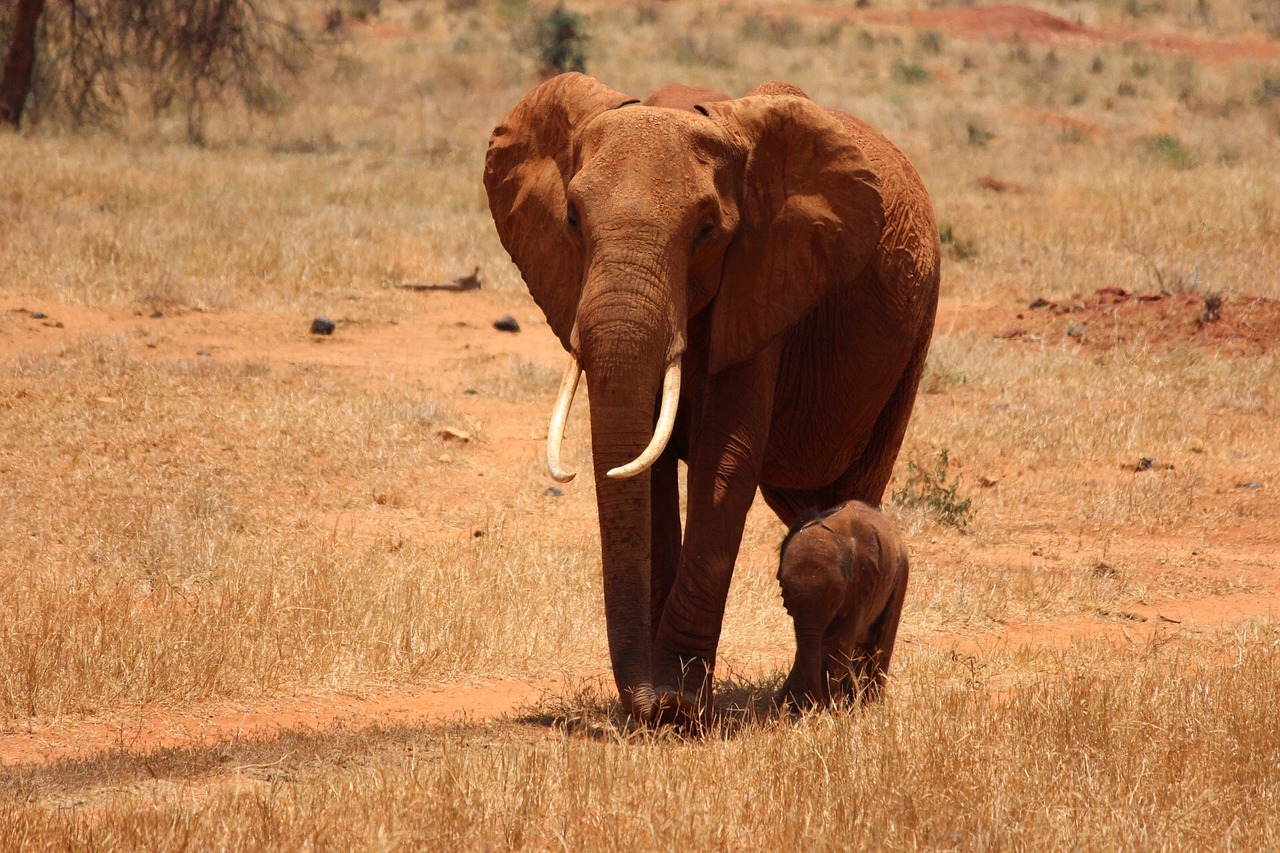
| Tsavo East & West | Red elephants, open landscapes, less crowded | 200–300 km | Jun–Oct |
| Samburu | Rare northern species (Grevy’s zebra, reticulated giraffe) | 350 km / 1-hr flight | Jun–Sep |
| Laikipia Plateau | Rhino, wild dogs, community conservancies | 200 km / 45-min flight | Jun–Oct |
| Lake Nakuru | Flamingos, rhino, leopard | 160 km road | Year-round |
| Ol Pejeta Conservancy | Last northern white rhinos, chimpanzee sanctuary | 200 km road | Year-round |
The Great Migration — over 1.5 million wildebeest moving between Tanzania’s Serengeti and Kenya’s Masai Mara — peaks in Kenya from July to October. The Mara River crossings, where crocodiles ambush wildebeest, are among the most dramatic wildlife events on earth.
4. You Can Fly Directly to the Parks
This is one of Kenya’s biggest practical advantages over other safari destinations.
Wilson Airport in Nairobi is a 20-minute drive from JKIA. From there, Safarilink and AirKenya operate scheduled daily flights to most parks. Flight times run 45–60 minutes.
Why this matters for first-timers: Road travel from Nairobi to the Masai Mara takes 5–6 hours on a rough road. Flying costs $150–$250 each way but saves your back, your time, and gives you stunning aerial views of the Rift Valley and Kilimanjaro.
Flying also means you don’t need a 4×4 transfer from Nairobi — the camps collect you from the airstrip.
5. English Is Spoken Everywhere in the Safari Circuit
Kenya’s two official languages are English and Swahili. In every national park, every lodge, every tour operator office, and most restaurants you visit as a tourist, English is the working language.
This is not the case in all African safari destinations. In some parts of Tanzania, Mozambique, or the DRC, communication can be genuinely difficult without a French or Portuguese speaker.
In Kenya, your guide will explain animal behavior, ecology, Maasai culture, and local history in fluent English. Briefings are clear. Menus are in English. Staff anticipate international travelers’ needs — because they’ve been doing this for over a century.
6. Safari Standards Are High and Well-Established
Kenya has been hosting international safari guests since the early 1900s. That history shows in the quality of guiding, the infrastructure, and the hospitality culture.
What high standards look like in practice:
- Kenya Professional Safari Guides Association (KPSGA) certifies guides at Bronze, Silver, and Gold levels
- Gold-level guides are among the most knowledgeable naturalists in Africa
- Private conservancies like Ol Seki, Kicheche, and Cottar’s 1920s Camp maintain exceptionally high guiding and service standards
- Most luxury camps offer off-road driving, night drives, and walking safaris — all within the conservancy areas bordering national parks
Accommodation price guide (per person per night, full board):
| Category | Price Range | Examples |
|---|---|---|
| Ultra-luxury | $800–$2,000+ | Angama Mara, Cottar’s 1920s, Ol Seki |
| Luxury | $400–$800 | Keekorok Lodge, Sarova Mara, Elephant Pepper |
| Mid-range | $150–$400 | Mara Intrepids, Ashnil Aruba Lodge |
| Budget | $60–$150 | Mara Eden Safari Camp, various tented camps |
7. Add a Beach — It Takes One More Flight
After a week in the bush, most people want to decompress somewhere beautiful. Kenya makes this easy.
Kenya Coast options (1-hour flight from Nairobi on Kenya Airways or Jambojet):
- Diani Beach — 30 km of white sand south of Mombasa; best overall beach in Kenya
- Watamu — quieter, marine park snorkeling, sea turtle nesting
- Malindi — Italian expat community, lively town, good food scene
- Lamu — UNESCO World Heritage island town, no cars, Swahili architecture, very peaceful
Or fly to Zanzibar — 2 hours from Nairobi, 45 minutes from Mombasa. Stone Town is a UNESCO site. The beaches at Nungwi and Paje are spectacular. A 3-night add-on to Zanzibar is one of the most popular combinations in East Africa.
Typical safari + beach combination:
- 5–7 nights safari (Masai Mara + one other park)
- 3–4 nights beach (Diani or Zanzibar)
- Total trip: 10–12 days, one of the most satisfying travel itineraries in the world
8. Kenya Is a Base for Multi-Country East African Adventures
Kenya’s location makes it the natural hub for wider East Africa exploration.
Popular add-ons from Nairobi:
| Destination | Why Go | Travel Time from Nairobi |
|---|---|---|
| Rwanda (Kigali) | Mountain gorilla trekking in Volcanoes NP | 1.5-hr flight; RwandAir daily |
| Tanzania (Kilimanjaro/Arusha) | Serengeti, Ngorongoro, Kilimanjaro climb | 45-min flight |
| Uganda (Entebbe) | Chimpanzee trekking, Bwindi gorillas | 1.5-hr flight |
| Ethiopia (Addis Ababa) | Omo Valley tribes, Lalibela churches | 2-hr flight |
Gorilla trekking permits in Rwanda cost $1,500 per person per day. In Uganda they are $700. Most Kenya-based operators offer seamless combined itineraries with all logistics handled.
When to Go: Kenya Safari Season at a Glance
| Period | Conditions | Best For |
|---|---|---|
| Jul–Oct | Dry, cool. Peak season. | Great Migration, all parks |
| Jan–Feb | Hot and dry. Short dry season. | Excellent wildlife, fewer crowds, better rates |
| Nov–Dec | Short rains. Greener, quieter. | Birdwatching, photography |
| Mar–Jun | Long rains. Some camps close. | Not ideal for first-timers |
The Bottom Line
Kenya earns its place at the top of every first-time safari list because it removes the guesswork. The flights are easy to book, the guides speak excellent English, the parks are accessible in under an hour by air, the wildlife is genuinely spectacular, and the beach is always one short flight away.
No other single country in Africa gives you this combination of iconic wildlife, infrastructure reliability, and sheer variety.
First-time safari? Start with Kenya. You won’t need a second opinion.
Ready to plan your Kenya safari? Browse our Safari Guide or contact us directly for a tailored itinerary.
DISCLOSURE: Our content is reader-supported. This means we might earn commissions from links and on this page. The commissions do NOT affect our editorial evaluations or opinions.